

A heartbeat tattoo is one of those designs that feels personal the moment you see it. It’s minimal, emotional, and instantly recognizable. Whether it represents love, life, resilience, or someone special, the beauty of a heartbeat tattoo comes from clean lines and simple flow. The good news? You don’t need advanced drawing skills to design one that looks polished and professional.
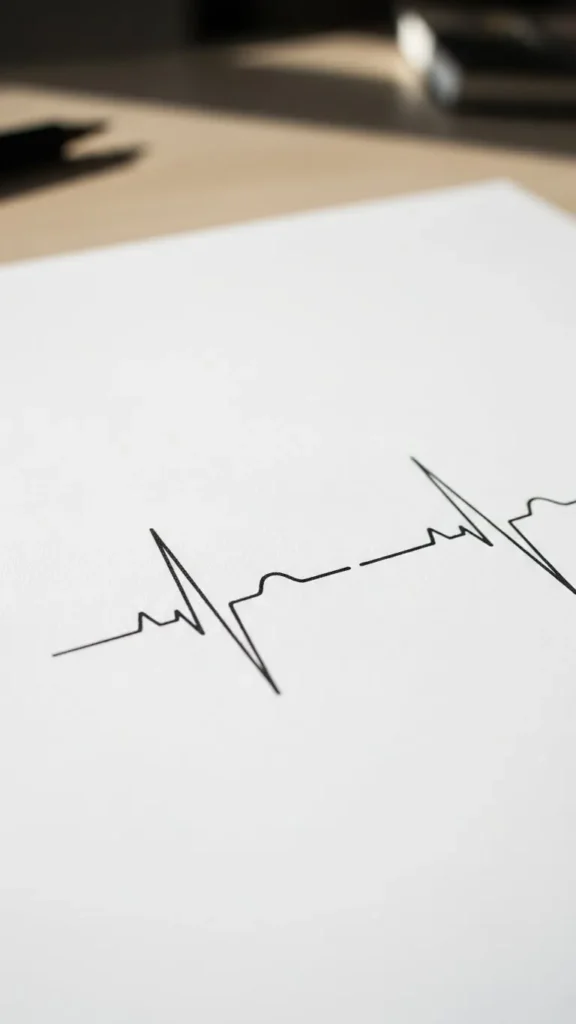
In this guide, you’ll learn how to draw heartbeat tattoos step by step, avoid common mistakes, and keep your design looking crisp and timeless. Grab a pencil, and let’s get started.
Understand What Makes a Heartbeat Tattoo Look Clean
Before you draw anything, it helps to know what “clean” actually means in tattoo design.
A clean heartbeat tattoo usually has:
- Even line thickness
- Smooth, confident angles
- Balanced spacing between peaks
- No unnecessary details
Simple doesn’t mean boring. It means intentional. Every line has a purpose.
Think of heartbeat tattoos as visual rhythm. If one spike is too tall or one line too shaky, the whole design feels off. Keeping things minimal is what gives these tattoos their strength.
Start With a Light Pencil Sketch
Always sketch before committing to ink. This step saves you time and frustration.
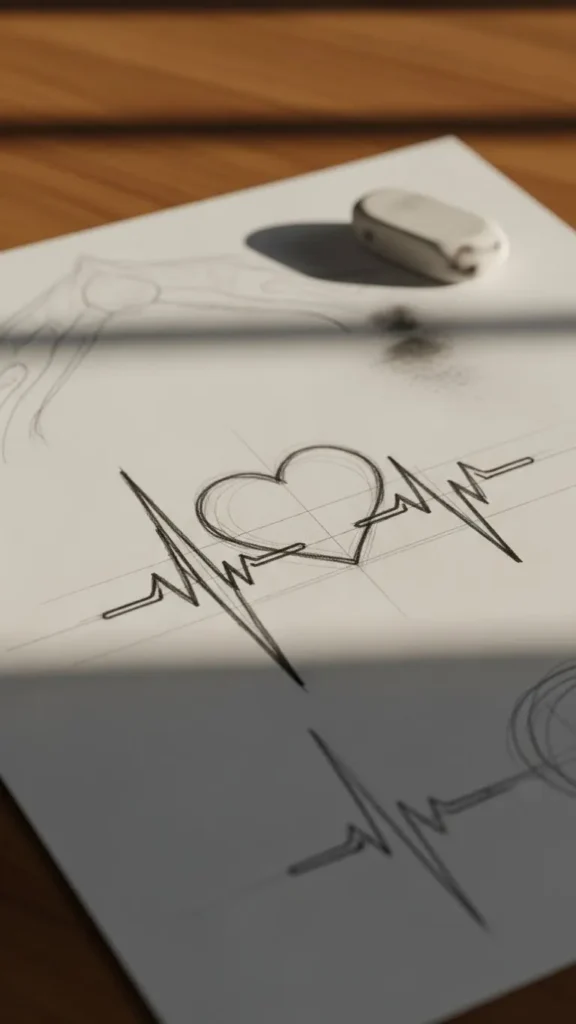
Here’s how to do it:
- Use a sharp pencil and draw lightly
- Start with a straight baseline
- Add small peaks first, then adjust height gradually
- Keep your hand relaxed to avoid stiff lines
Don’t aim for perfection right away. The goal is to map out the rhythm. You can refine it later.
Quick tip:
If your lines wobble, try drawing faster. Slow movements often cause shakiness.
Create Balanced Peaks and Spacing
This is where most heartbeat tattoos succeed—or fail.
Heartbeat designs rely on consistency, not complexity.
When drawing your peaks:
- Keep spike heights similar
- Leave equal space between lines
- Avoid overcrowding the center area
- Let the line “breathe” on both sides
A common mistake is making one dramatic spike that overpowers the rest. Unless that’s intentional, balance is key.
If you’re adding a small heart or name later, plan space now. Clean tattoos always feel planned, not squeezed in.
Refine the Lines With Ink or Digital Tools
Once your sketch feels right, it’s time to clean it up.
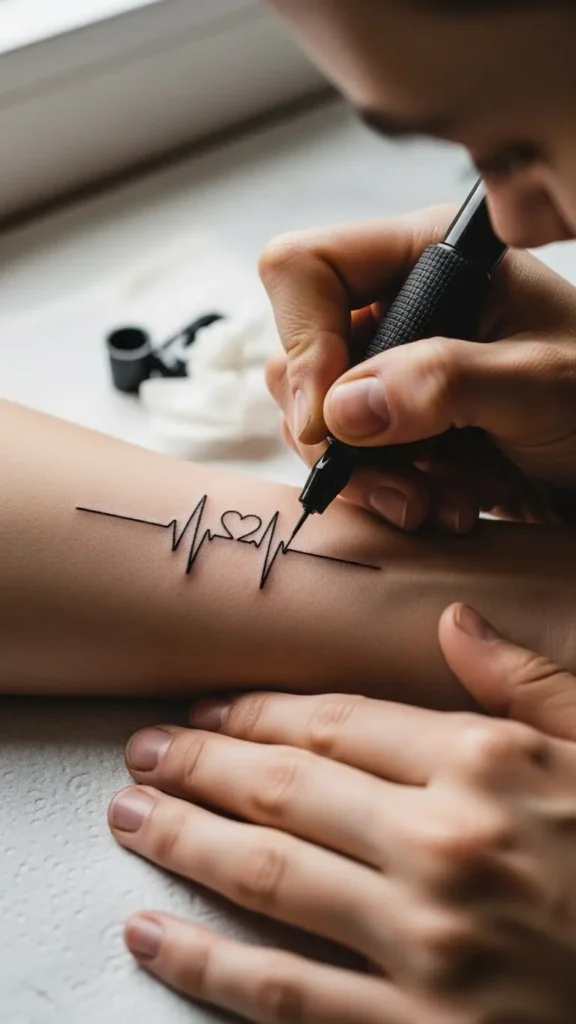
If you’re working on paper:
- Use a fine liner or technical pen
- Draw in one confident motion
- Avoid going over the same line repeatedly
If you’re working digitally:
- Choose a single brush size
- Turn on line smoothing if available
- Zoom out often to check balance
Clean lines come from confidence, not pressure. If a line goes wrong, erase and redraw instead of fixing it endlessly.
Decide on Thickness and Style
Line thickness changes the entire mood of a heartbeat tattoo.
Thin lines:
- Look delicate and modern
- Work well for wrist and ankle tattoos
- Feel subtle and elegant
Slightly thicker lines:
- Hold up better over time
- Stand out on larger placements
- Feel bold without being heavy
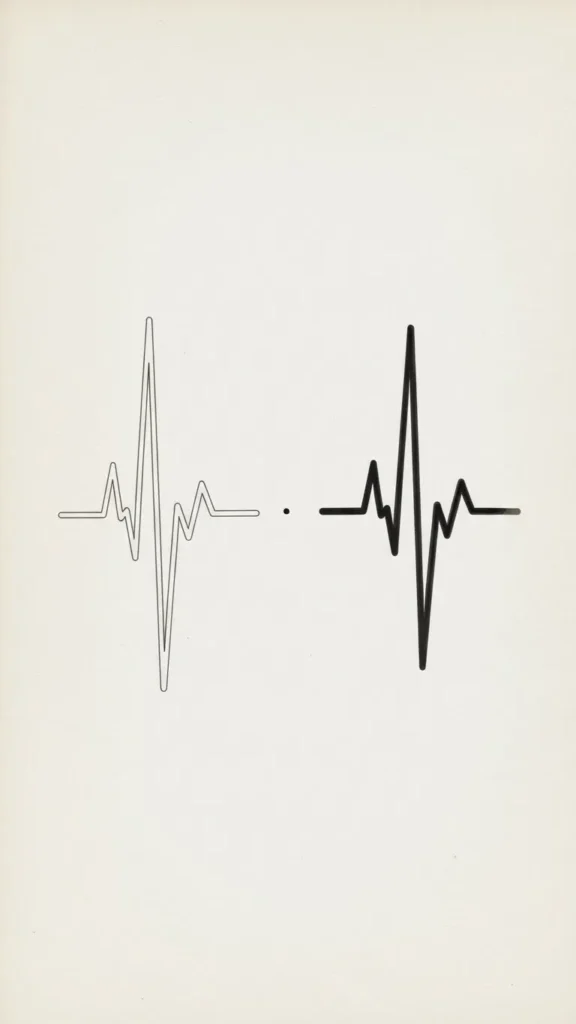
Stick to one thickness throughout the design. Mixing line weights can make a simple tattoo look messy.
Test Placement Before Finalizing
Even a perfect design can look wrong if it’s placed poorly.
Before finalizing:
- Redraw the design at actual size
- Test it on different body areas
- Check how it flows with natural movement
Heartbeat tattoos work especially well on:
- Wrists
- Collarbone
- Forearm
- Ribcage
A clean tattoo always feels like it belongs where it’s placed.
Keep It Meaningful, Not Overdone
It’s tempting to add extra elements, but simplicity is what gives heartbeat tattoos their power.
Instead of adding more, ask:
- Does this line add meaning?
- Does it improve the flow?
- Does it still look clean from far away?
If the answer is no, leave it out.
The best heartbeat tattoos feel effortless, even though they’re carefully designed.
Final Thoughts
Drawing a clean, simple heartbeat tattoo is all about rhythm, balance, and restraint. Take your time, sketch lightly, and focus on smooth lines over fancy details. When in doubt, simplify.
If you found this guide helpful, save it for later or pin it for your next tattoo idea. Sometimes the simplest designs say the most.

Leave a Reply