

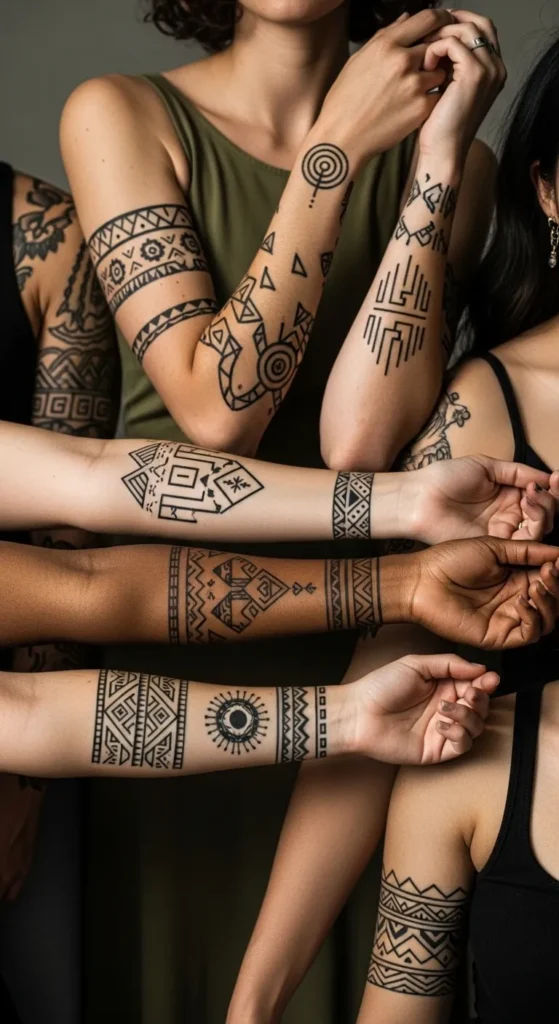
Heritage symbol tattoos tell personal stories without long explanations. They reflect ancestry, family roots, and shared traditions that shape identity. Many people choose these designs to stay connected to culture while keeping the artwork simple and meaningful. This guide breaks down popular heritage symbols and shows how to approach each one with clarity, care, and budget awareness. Whether you want a small line design or a bold statement piece, these ideas help you plan a tattoo that feels personal and practical.
1. Celtic Knot
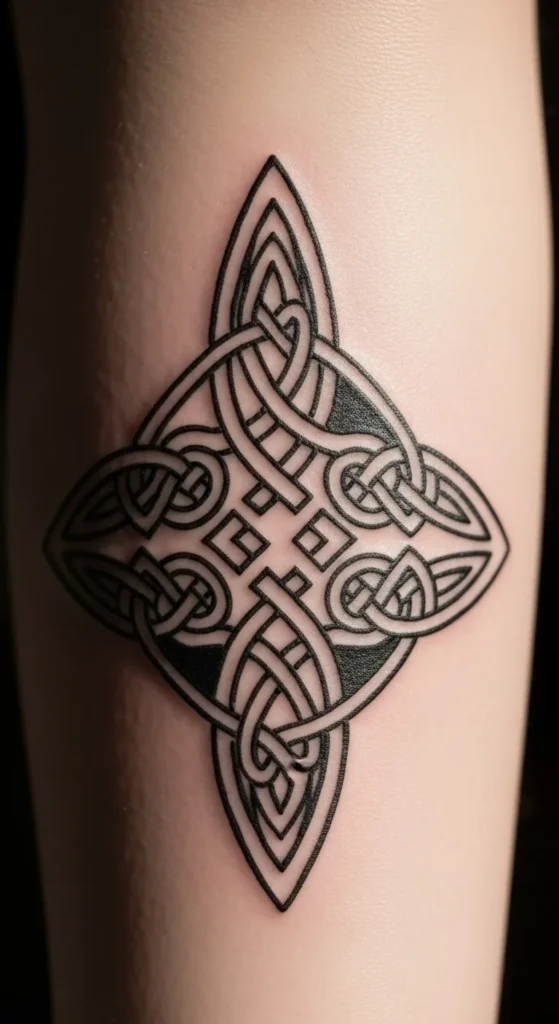
Celtic knots symbolize continuity, ancestry, and family lines that stretch across generations. The unbroken lines speak to connection and shared roots. Many people with Irish or Scottish heritage choose this symbol for its balance and symmetry.
You can keep this tattoo affordable by choosing a small knot on the wrist or ankle. Fine-line designs cost less and age well. Black ink works best and avoids extra charges for color.
If you want a DIY prep step, sketch knot variations at home. Print them in different sizes. This helps you decide placement before visiting a studio.
Simple knots work well alone. You can also pair them with initials or dates later if you want to expand the design. That approach spreads cost over time and keeps the tattoo personal.
2. Nordic Rune
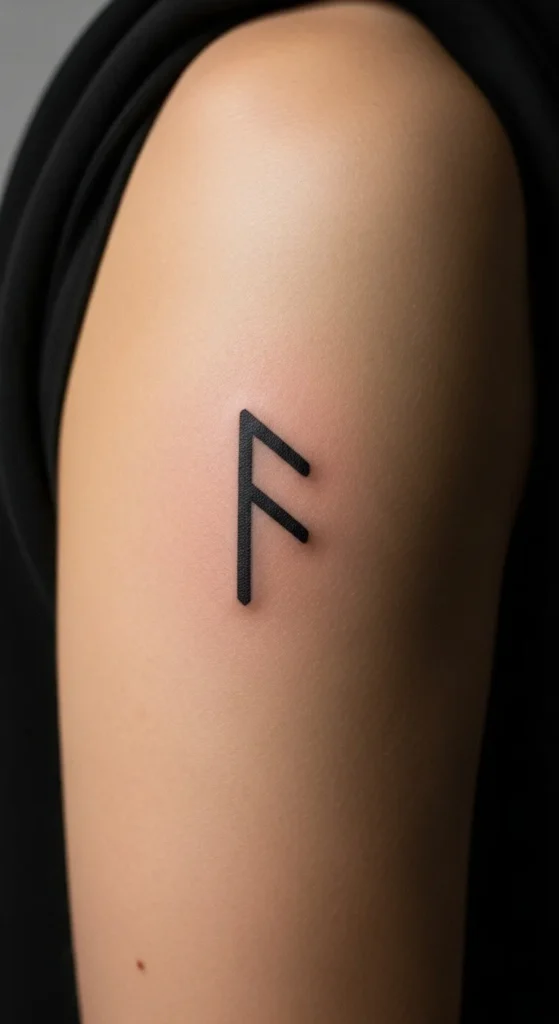
Nordic runes come from ancient Scandinavian writing systems. Each rune carries meaning tied to protection, strength, or family ties. Many people choose a single rune that reflects their background or values.
Runes are ideal for small tattoos. A single symbol can fit on a finger, behind the ear, or along the collarbone. These placements keep sessions short and costs lower.
Before committing, research rune meanings carefully. Write them down and compare sources. This avoids mistakes and adds confidence to your choice.
Line-only runes heal quickly and require little maintenance. If you later want to build a sleeve or larger piece, runes blend well with geometric patterns.
3. Tribal Spiral
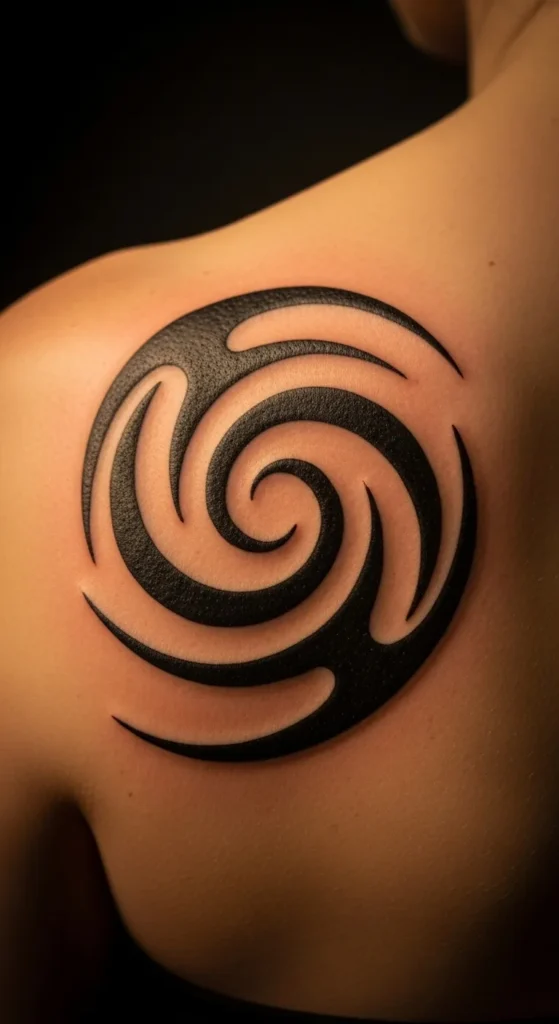
Spirals appear in many indigenous cultures and often represent life cycles and ancestral paths. They are common in Polynesian and Celtic traditions.
A single spiral keeps the design clean and affordable. Bold lines age better and reduce touch-up costs.
Ask your artist to adjust line weight to suit your skin tone. This small tweak helps the tattoo stay readable over time.
You can test spiral placement using washable markers at home. This step saves time and helps you feel sure before the appointment.
4. Hamsa Hand
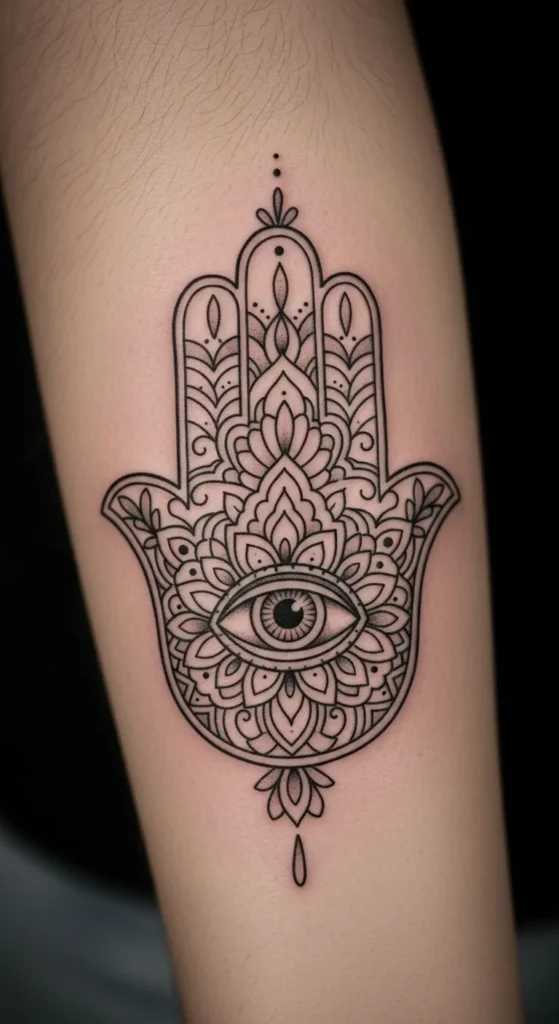
The Hamsa hand is linked to Middle Eastern and North African heritage. It often symbolizes protection and family safety.
This symbol works well in outline form. Skipping heavy shading lowers session time and cost.
You can personalize the Hamsa with dots or small patterns instead of color. This keeps the design simple while adding character.
Choose a flat area like the forearm for easier healing and less discomfort.
5. Native Arrow
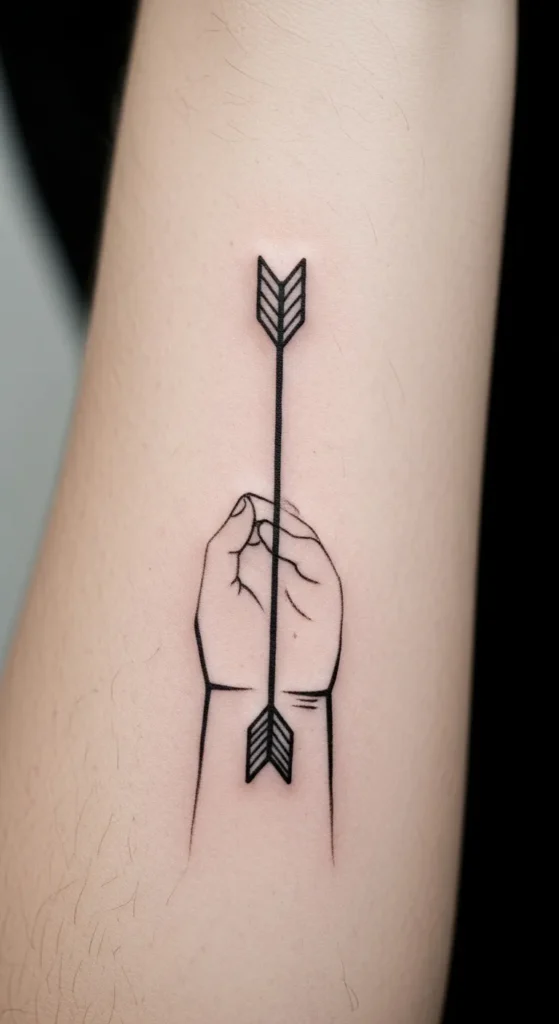
Arrows often represent direction, ancestry, and survival. Many Native American–inspired designs focus on simplicity and balance.
A straight arrow is quick to tattoo. This makes it budget-friendly and easy to place.
Keep the arrow thin for a modern look. Thick shading adds cost and healing time.
You can add small details later, like feathers or dots, if you want to expand the story.
6. African Adinkra Symbol
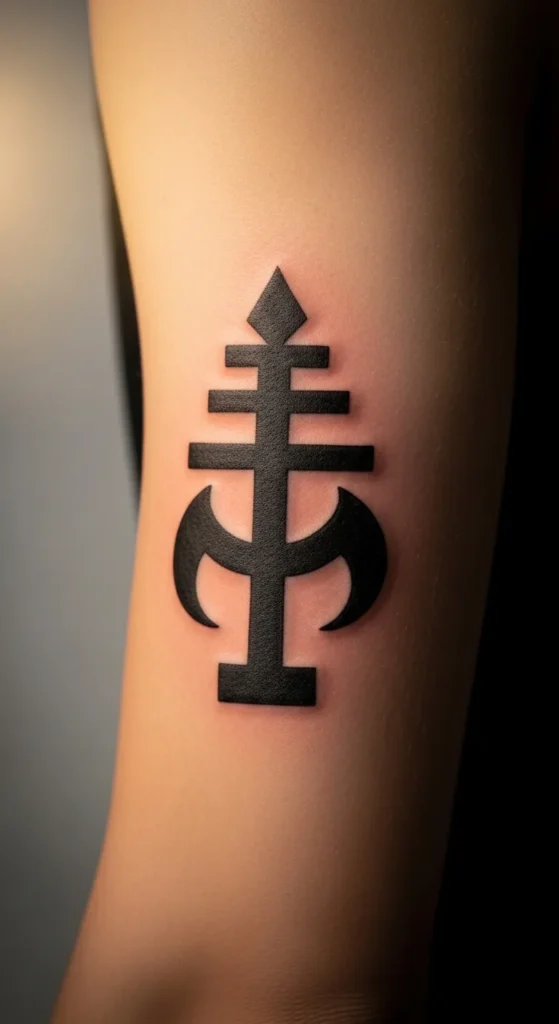
Adinkra symbols come from West African culture. Each one carries a message tied to family, wisdom, or unity.
These symbols are often geometric, which helps with clean execution. Smaller sizes keep prices down.
Print your chosen symbol and bring it to the artist. Clear reference material saves time during the session.
Stick to black ink for clarity and lower upkeep.
7. Japanese Kanji
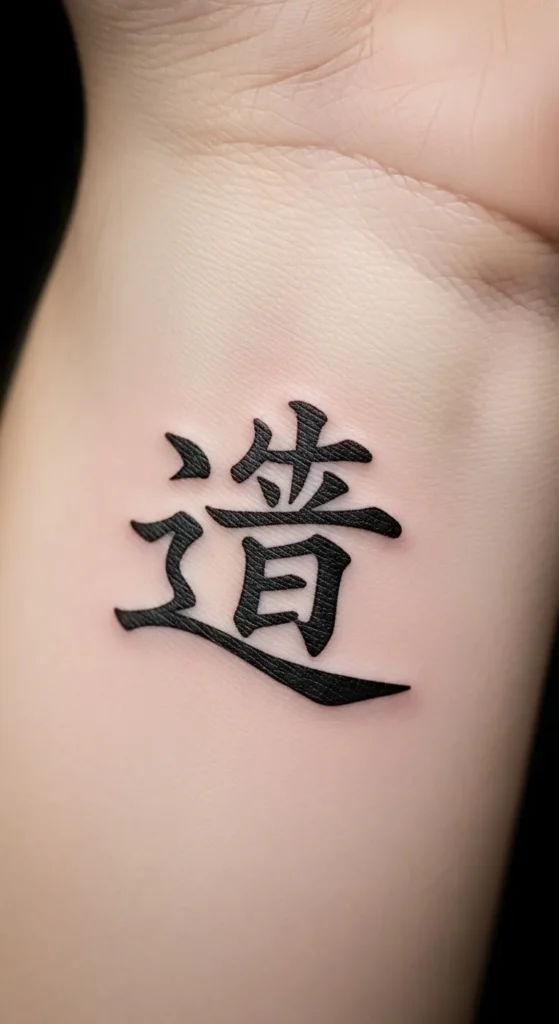
Kanji characters often reflect heritage, values, or family traits. Accuracy matters with this style.
Keep the tattoo small and vertical. This reduces cost and keeps the symbol readable.
Double-check translations with reliable sources. Write them down and confirm stroke order.
Simple placement helps with healing and long-term clarity.
8. Maori Koru
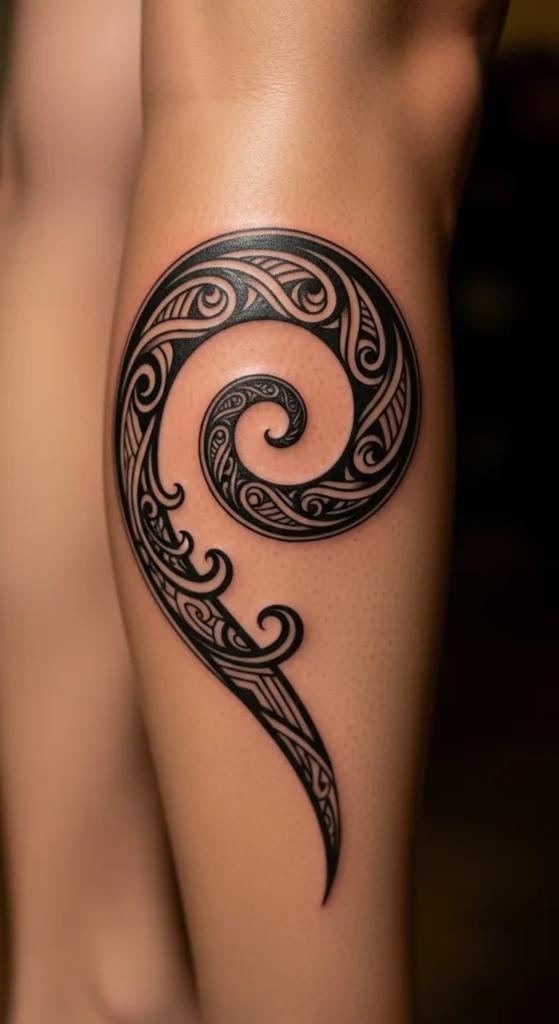
The koru symbolizes growth and ancestral ties. Its curved form feels organic and personal.
A single koru keeps the tattoo subtle. Avoid overcrowding with extra shapes.
Ask for smooth line flow. Clean execution matters more than size.
This design works well on arms or legs with gentle curves.
9. Mandala Pattern
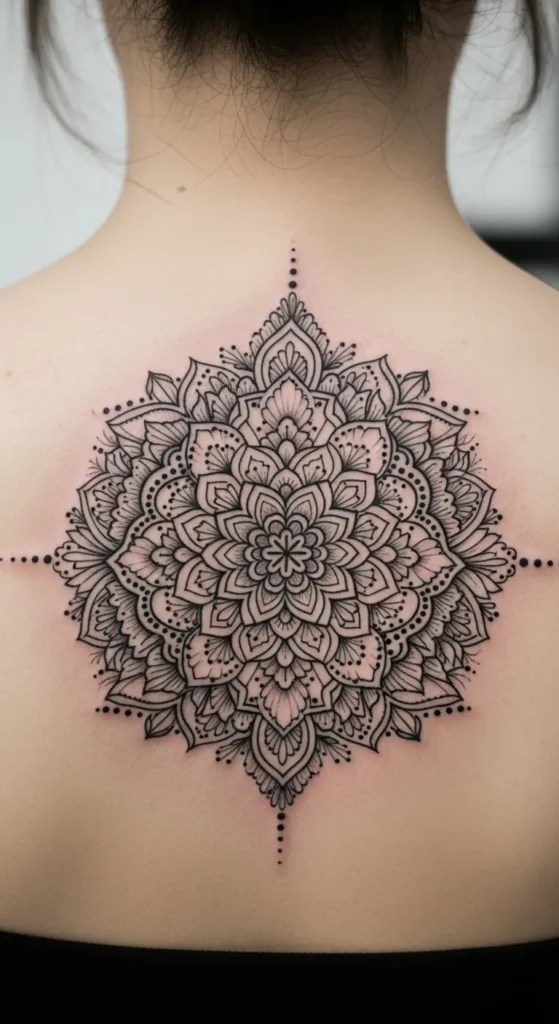
Mandalas connect to South Asian heritage and spiritual balance. They often reflect unity and family structure.
Choose a smaller mandala for cost control. Large ones require longer sessions.
Stencil accuracy matters here. Ask to see placement before starting.
Line-only mandalas age better and stay within budget.
10. Greek Key
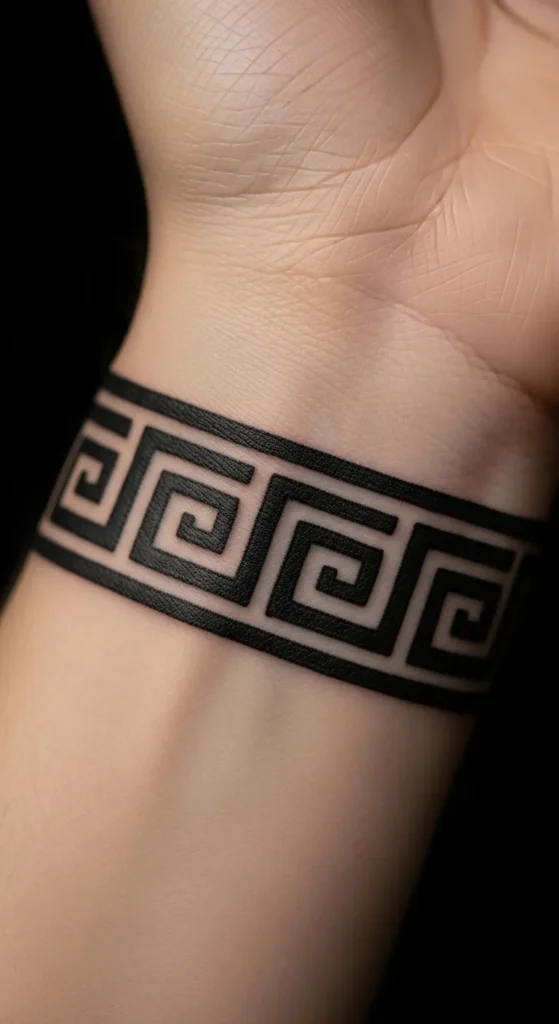
The Greek key represents continuity and ancestry. Its repeating pattern feels structured and timeless.
A short band version costs less than a full wrap.
Keep spacing consistent. This avoids future touch-ups.
This design pairs well with minimalist styles.
11. Egyptian Ankh
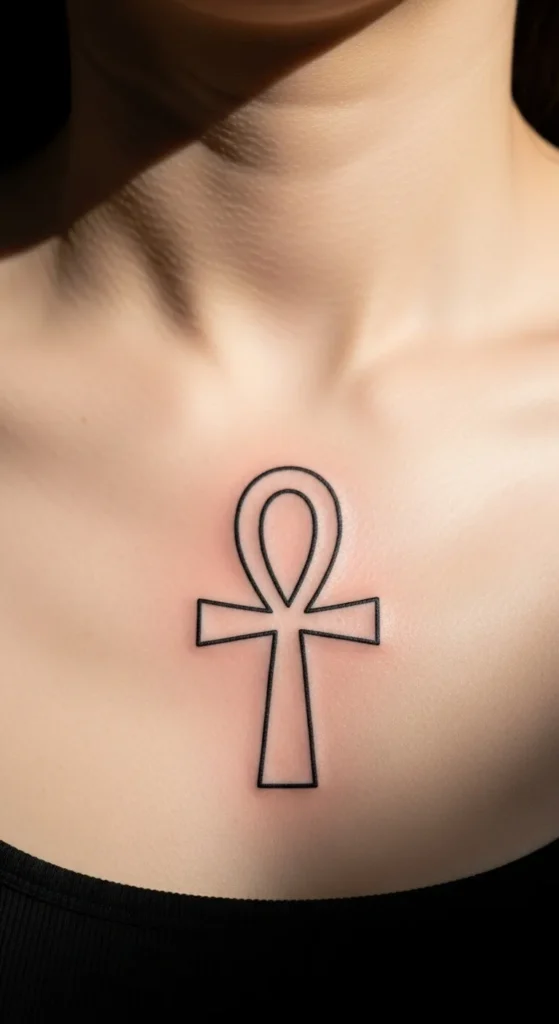
The ankh symbolizes life and lineage in ancient Egyptian culture.
A small outline keeps the tattoo affordable and clear.
Flat areas heal faster and reduce discomfort.
Avoid heavy shading to maintain simplicity.
12. Aztec Sun Symbol
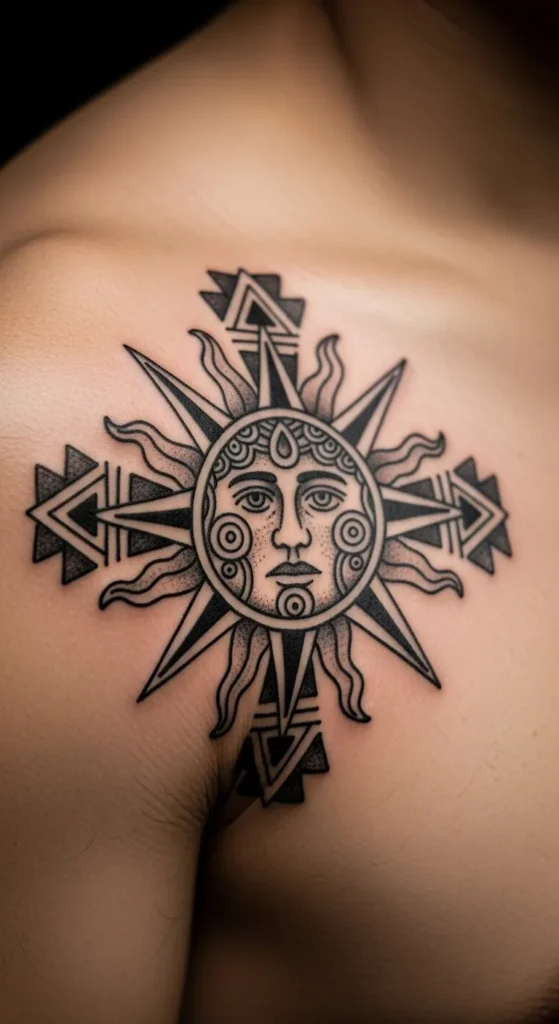
Aztec sun designs often reflect heritage and time cycles.
Choose a simplified version to manage cost.
Black ink highlights structure and detail.
This works well as a standalone piece.
13. Slavic Kolovrat
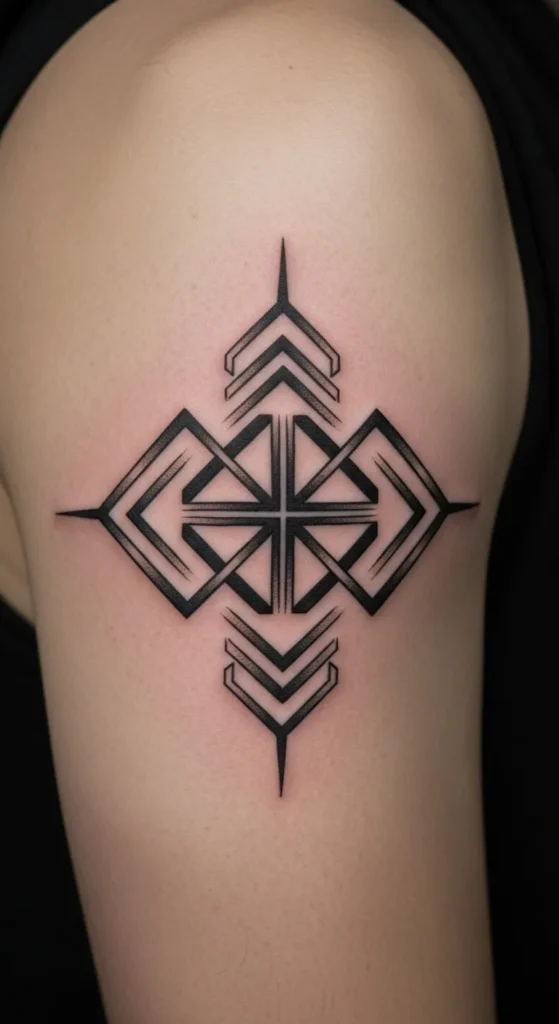
The Kolovrat represents ancestral cycles in Slavic culture.
Small sizes keep the symbol clear and affordable.
Research meaning carefully before choosing.
Line clarity is key for longevity.
14. Polynesian Wave
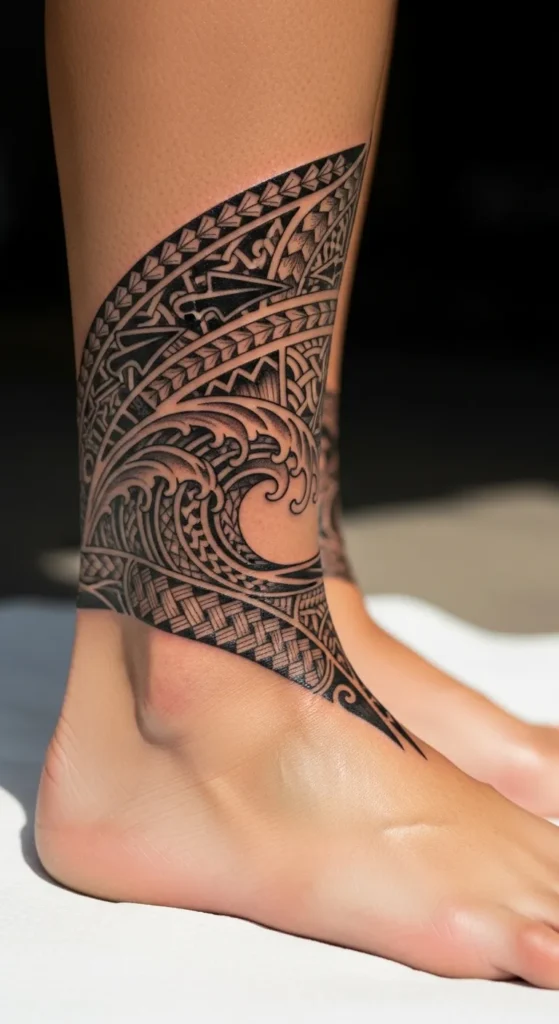
Waves often represent ancestry tied to the ocean.
A single wave keeps the design light.
Avoid dense patterns to save time and cost.
Ankles work well for smaller designs.
15. Hindu Om
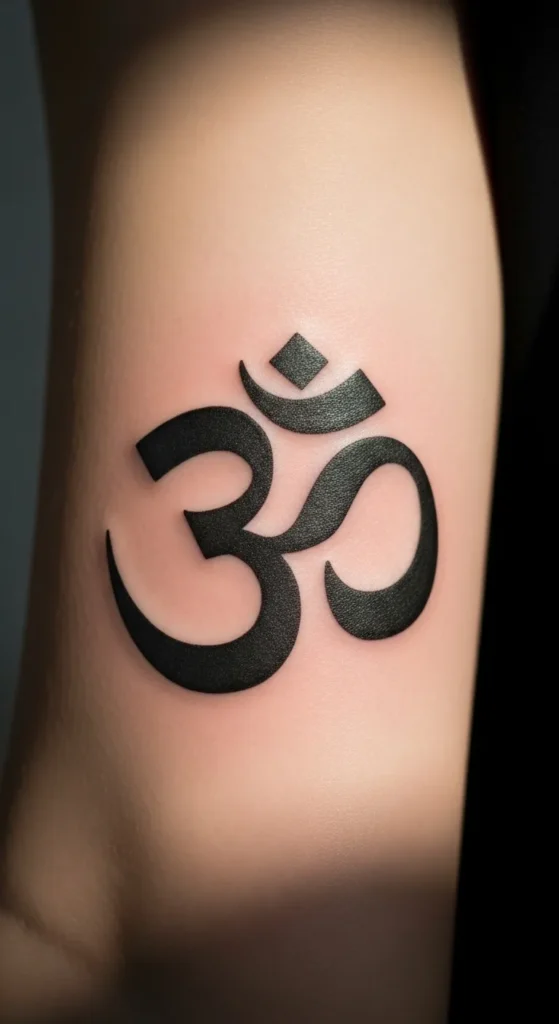
Om reflects spiritual heritage and unity.
A simple outline keeps it respectful and affordable.
Confirm correct form before tattooing.
Flat placements help maintain shape.
16. Chinese Dragon Motif
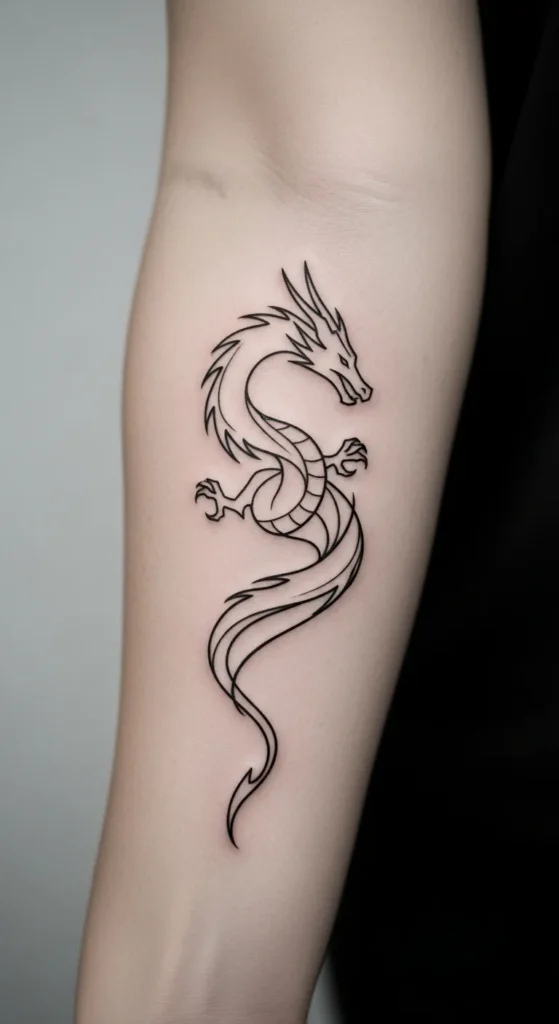
Dragons symbolize ancestry and strength in Chinese culture.
Choose a simplified silhouette to reduce cost.
Long shapes fit arms well.
Black ink keeps focus on form.
17. Inca Chakana
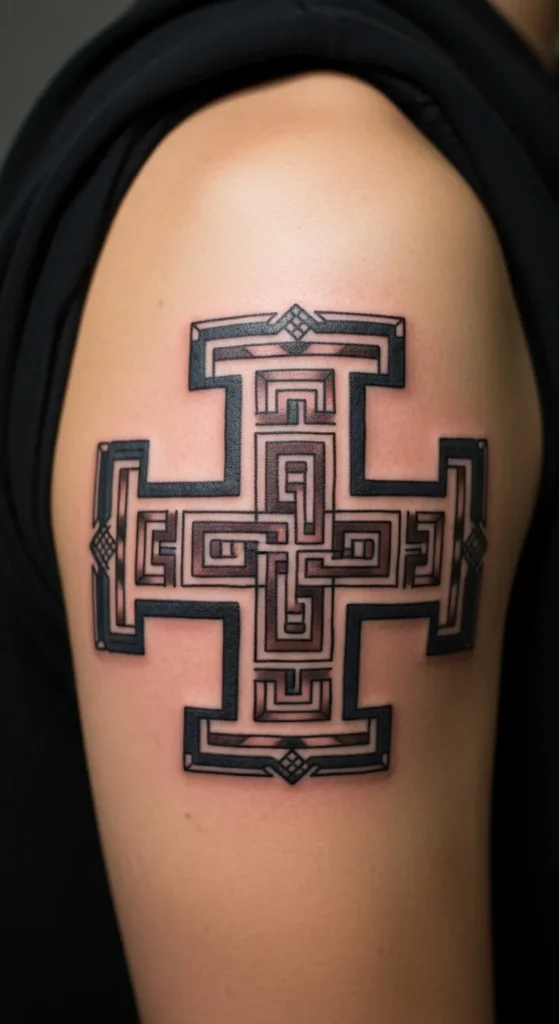
The Chakana represents Andean heritage and balance.
Its shape works well in small sizes.
Symmetry matters for clean results.
Line-only designs stay affordable.
18. Berber Symbol
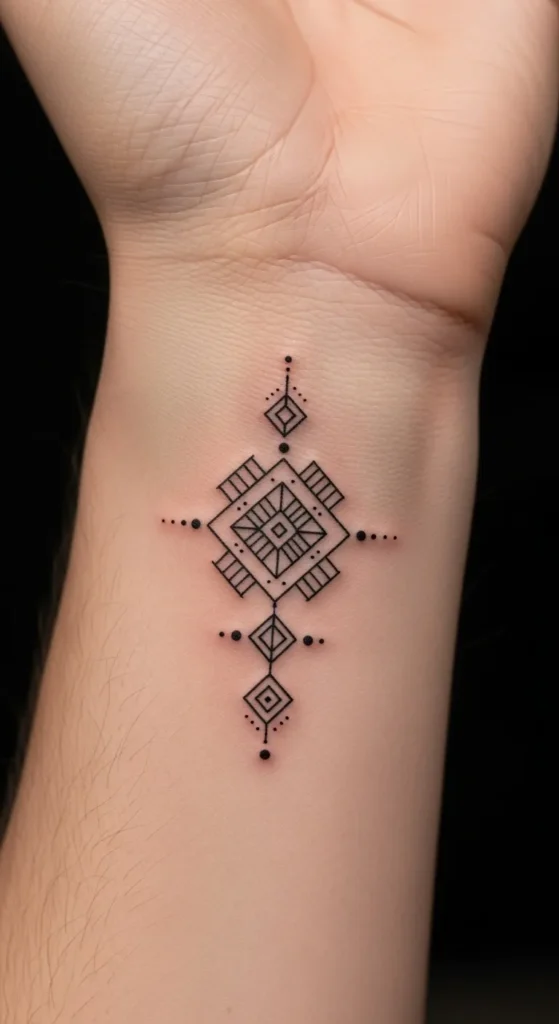
Berber symbols often reflect family and protection.
Small wrist placements keep sessions short.
Avoid color for simplicity.
Research regional variations first.
19. Viking Compass (Vegvisir)
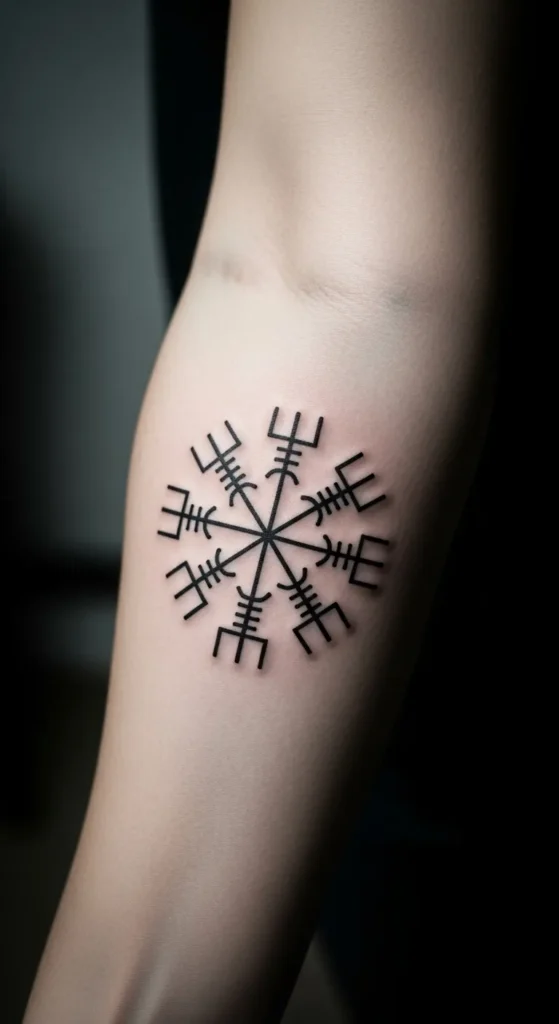
This symbol is linked to navigation and heritage.
A single-line version saves cost.
Center placement improves balance.
Check proportions before inking.
20. Hawaiian Tiki Pattern
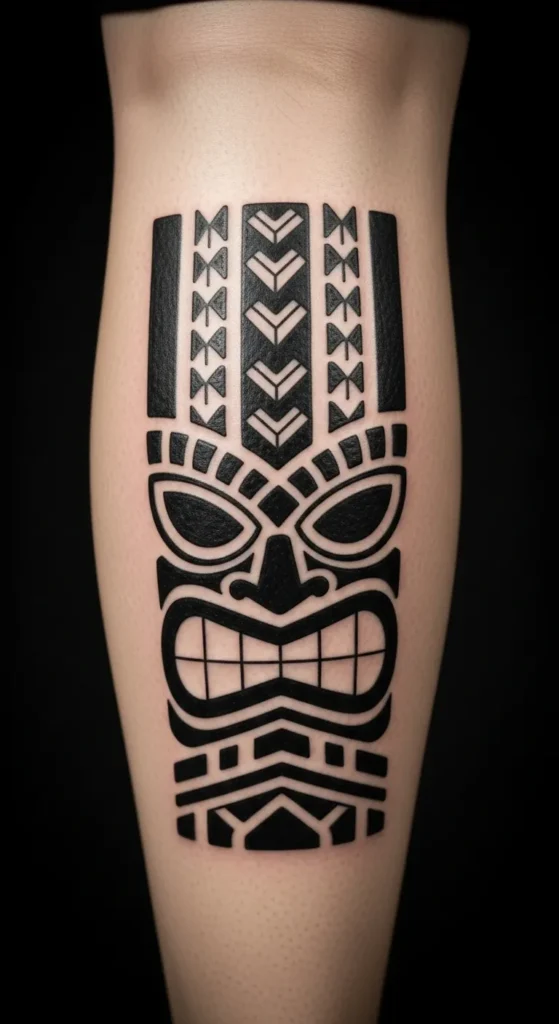
Tiki patterns connect to Polynesian ancestry.
Simplified faces reduce time.
Choose clear outlines.
Calves offer space without pain extremes.
21. Armenian Eternity Sign
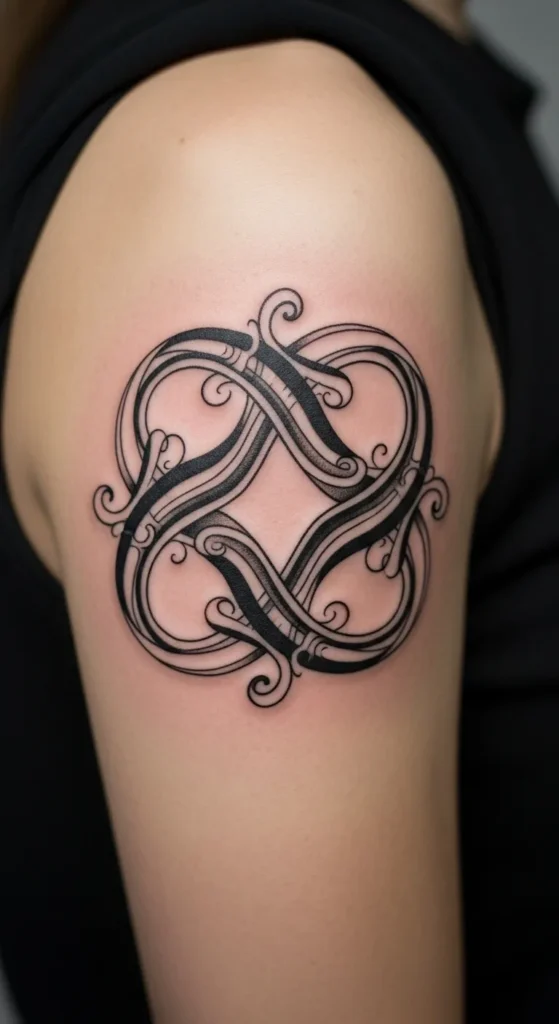
This sign reflects heritage continuity.
Its circular form suits many placements.
Small sizes remain readable.
Black ink keeps it timeless.
22. Mexican Otomi Motif
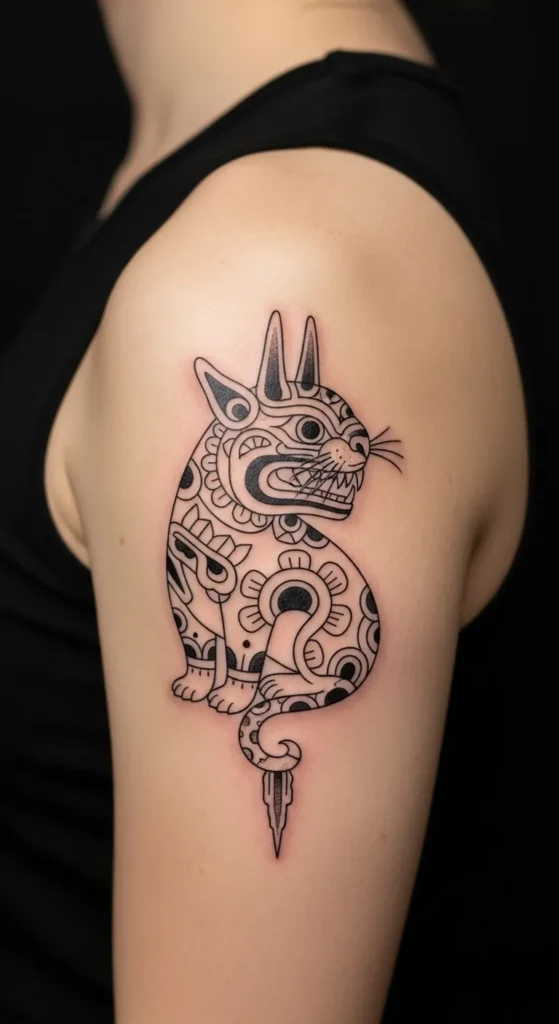
Otomi designs reflect family storytelling.
Choose a single animal shape.
Line work lowers cost.
Flat placement aids healing.
23. Celtic Tree of Life
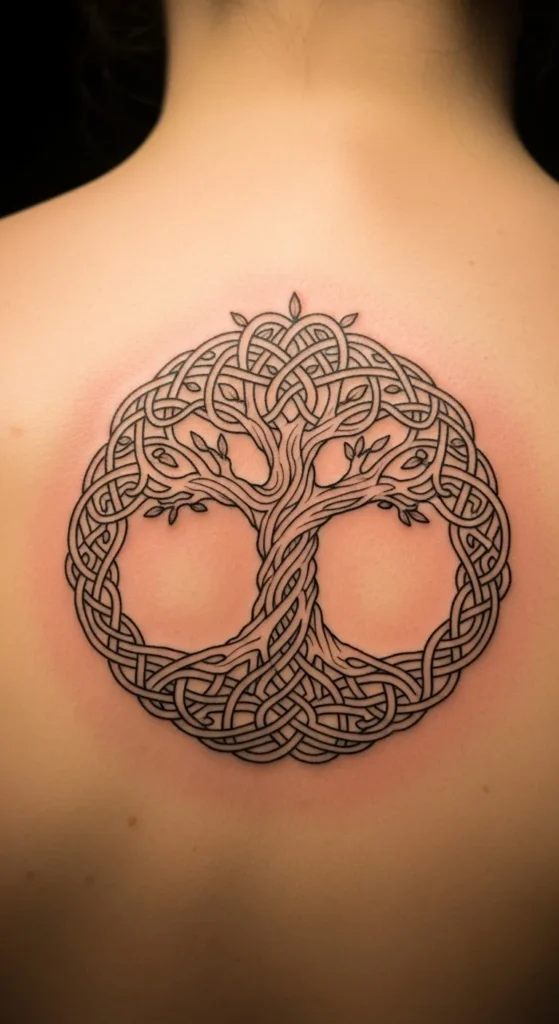
This symbol represents ancestry and connection.
Opt for a medium size to control cost.
Avoid heavy shading.
Symmetry keeps it balanced.
24. Filipino Baybayin Symbol
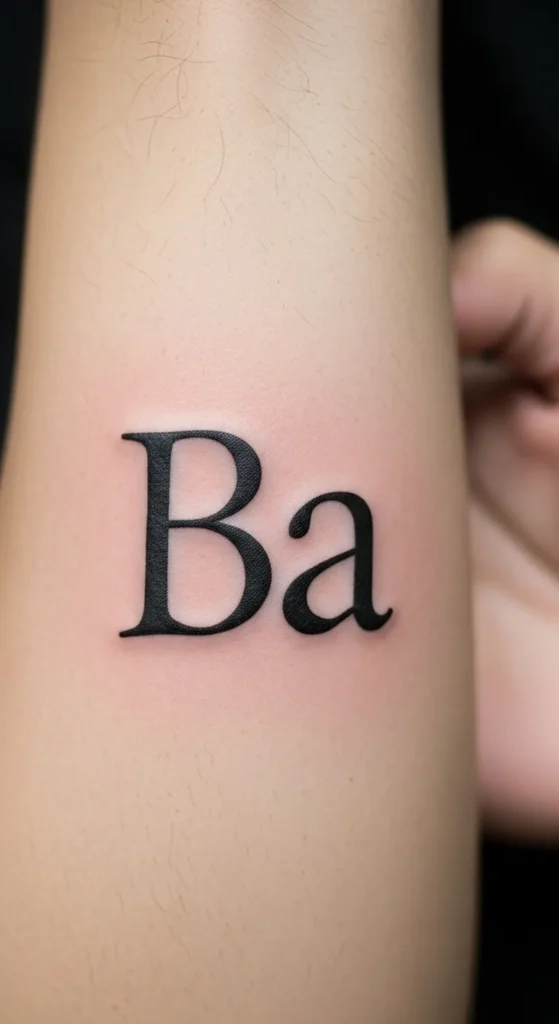
Baybayin reflects Filipino heritage and identity.
Single characters work best.
Confirm correct script form.
Minimalist styles heal well.
Conclusion
Heritage symbol tattoos offer a clear way to honor roots without overcomplicating the design. By choosing simple forms, thoughtful placement, and clean line work, you can create meaningful body art that fits your budget and your story. Take time to research each symbol, test placement, and plan in stages. These steps help you walk into the studio prepared and confident, with a tattoo that reflects where you come from and what matters to you.

Leave a Reply