

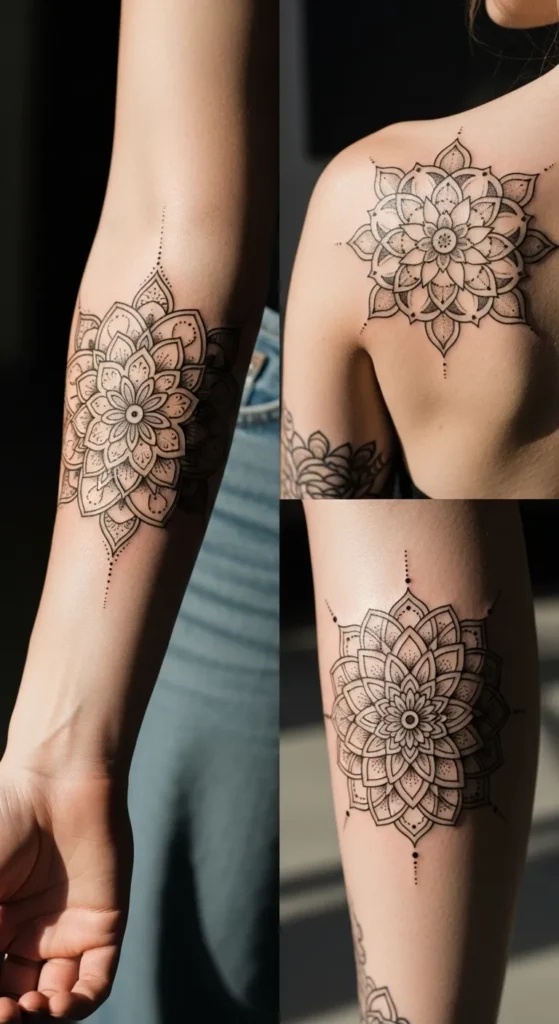
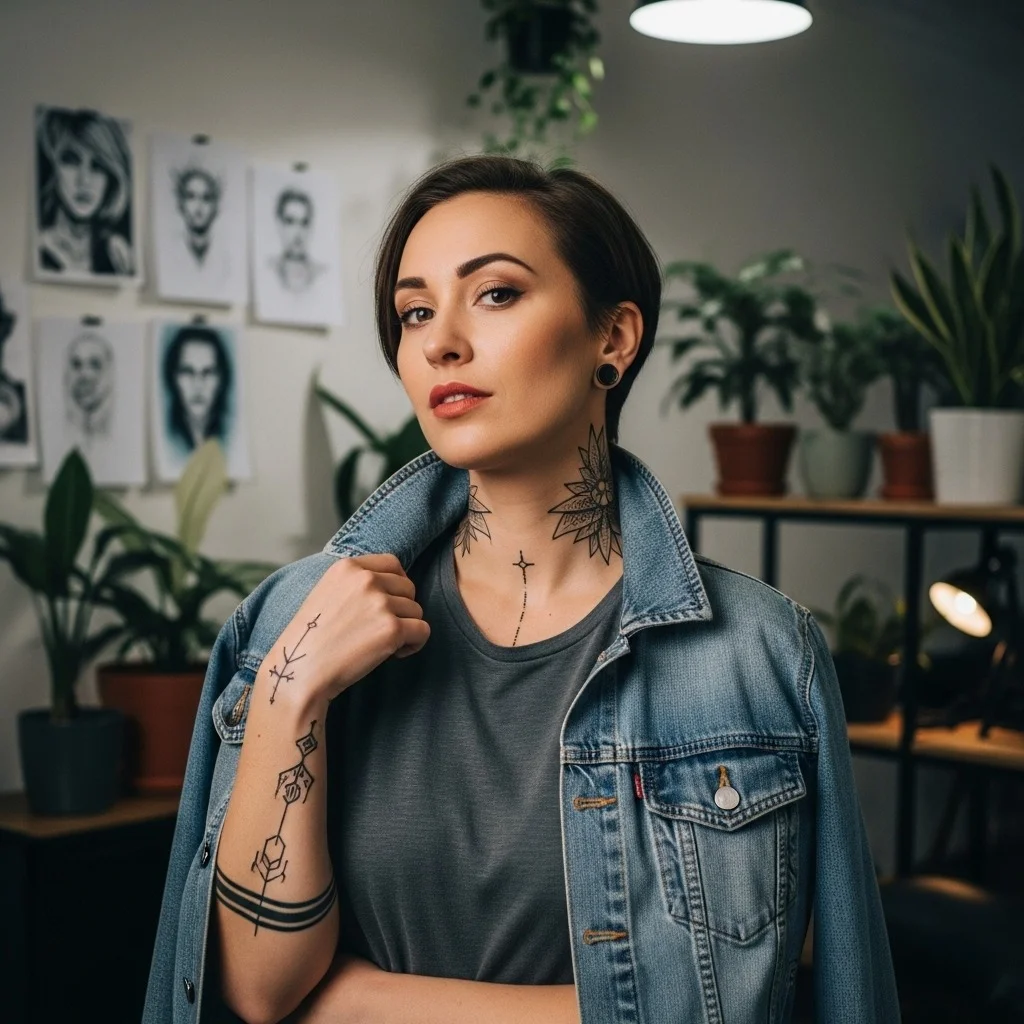
Mandala tattoos are chosen for meaning as much as appearance. People search for these designs because they want body art that feels personal, balanced, and visually strong. Each pattern carries structure, repetition, and calm rhythm. From simple outlines to dense dotwork, mandalas fit many budgets and body placements. This guide shares practical design ideas you can actually use, whether you want a small first tattoo or a larger statement piece that grows over time.
1. Minimal Line Mandala
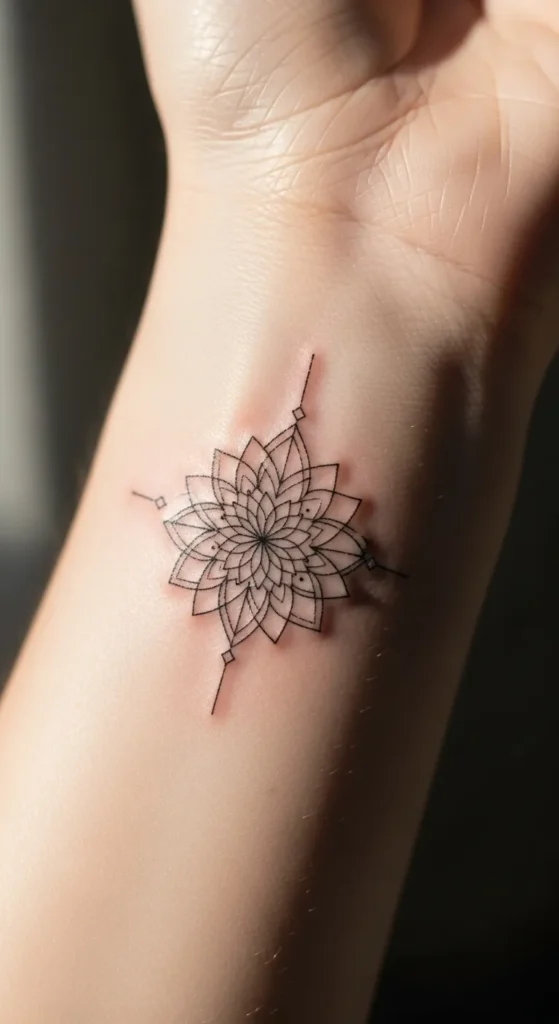
This style works well for first tattoos. Thin lines keep costs lower and healing easier. The design focuses on symmetry rather than heavy shading. That makes it easier to adjust size without losing shape.
A simple line mandala fits wrists, ankles, or behind the arm. Many artists can stencil this quickly, which saves time in the chair. You can start small and add layers later if you want growth over time.
If budget matters, ask for black ink only. Skip shading during the first session. You still get a clear pattern that ages well. This design also works well if you prefer subtle body art that doesn’t dominate the area.
2. Floral Mandala Circle
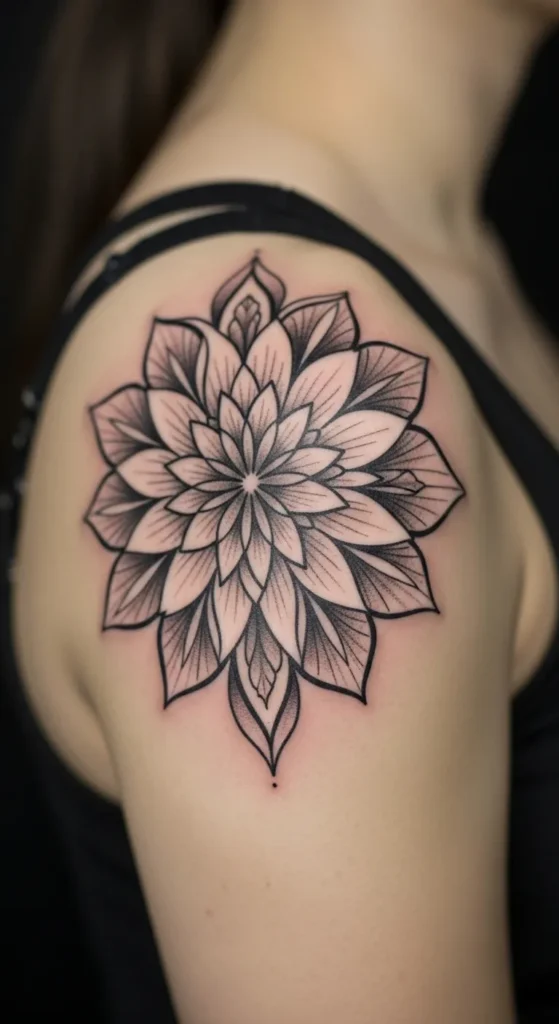
Floral mandalas mix petals with geometric balance. They look soft but still structured. This makes them popular for shoulders, upper arms, and thighs.
You can choose one flower type or mix several shapes. Roses, lotus petals, or daisy forms all work. Ask your artist to simplify petal layers if you want to lower cost.
For a DIY planning step, sketch petal counts on paper first. This helps you decide size before committing. Keeping the design circular avoids awkward spacing issues during healing.
3. Dotwork Mandala
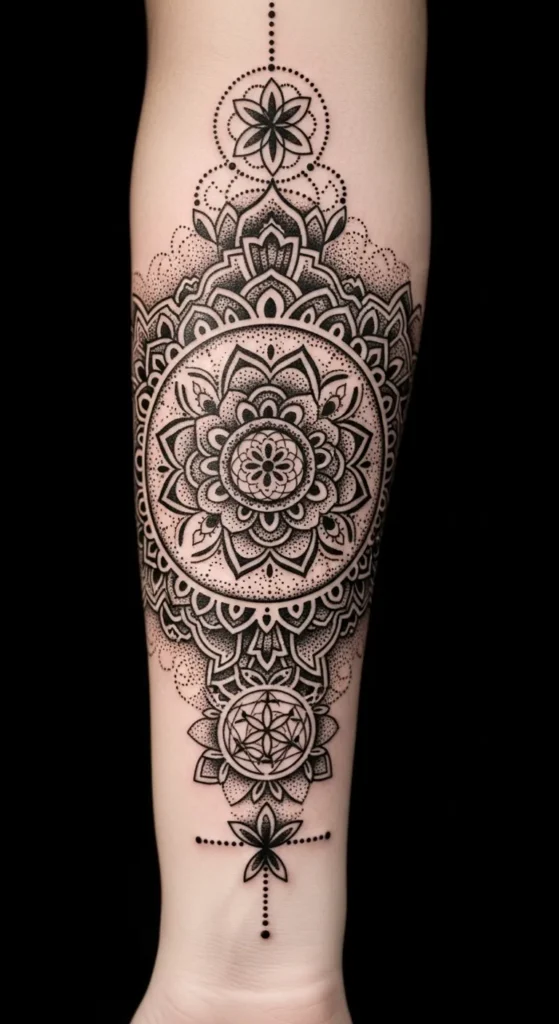
Dotwork uses thousands of small points instead of solid lines. It creates texture and depth without heavy shading. This style ages well and hides minor fading.
Dotwork sessions can be broken into sections. That helps spread cost over time. Start with the center and expand outward later.
If pain tolerance is low, dotwork is often gentler than solid fills. Choose medium size to keep the pattern readable from a distance.
4. Lotus Mandala
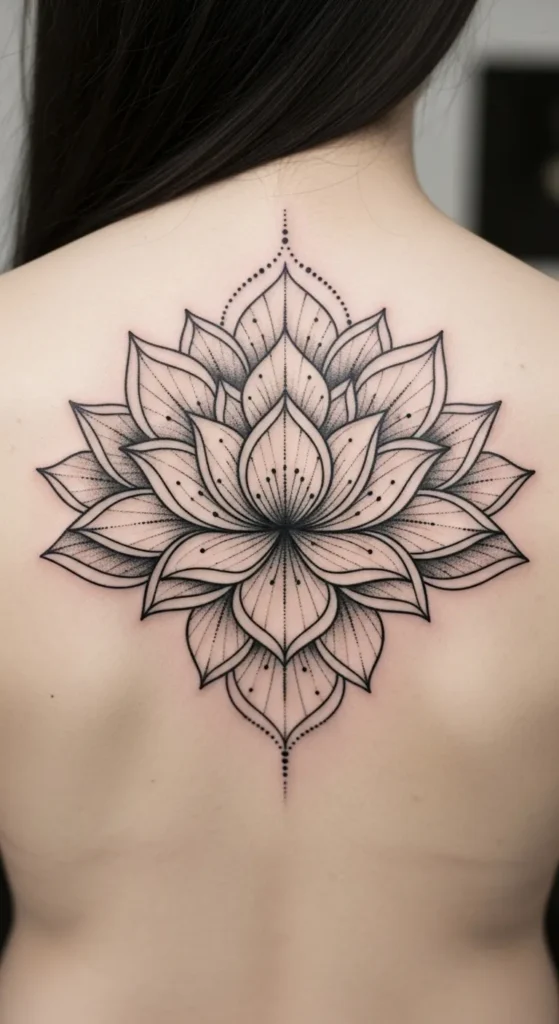
Lotus mandalas are linked to growth and balance. The petal layers create natural symmetry that fits the spine or back.
You don’t need full back coverage. A mid-sized lotus mandala works well between shoulder blades. Ask for open space between petals to keep costs down.
This design can be outlined first and shaded later. That makes it easier to plan sessions around your schedule.
5. Sun Mandala
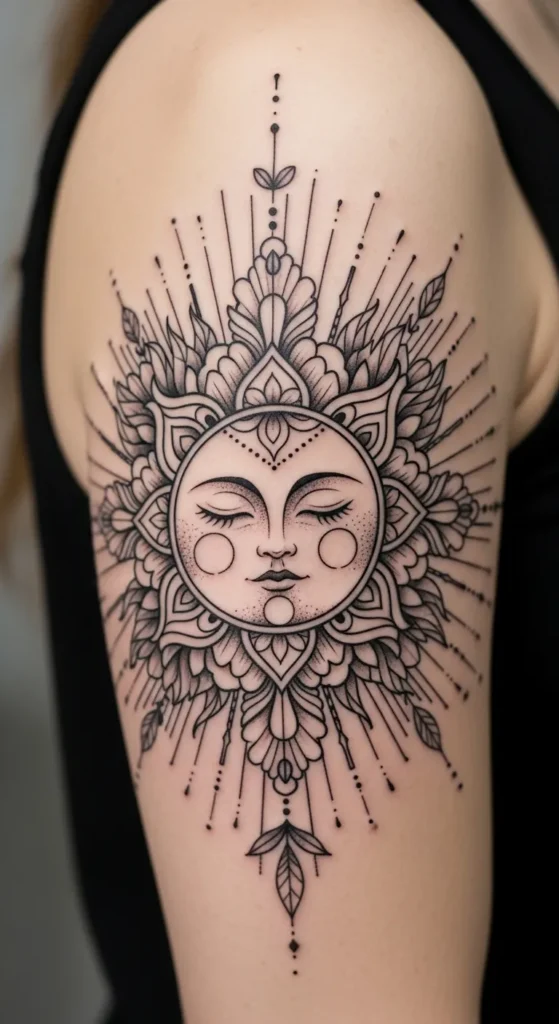
Sun mandalas focus on outward energy and structure. They work well on arms and calves.
Straight rays are easier to tattoo than curved fills. That keeps time shorter. If you want warmth without color, ask for thicker outer lines only.
This style pairs well with future additions like moons or stars.
6. Half Mandala Design
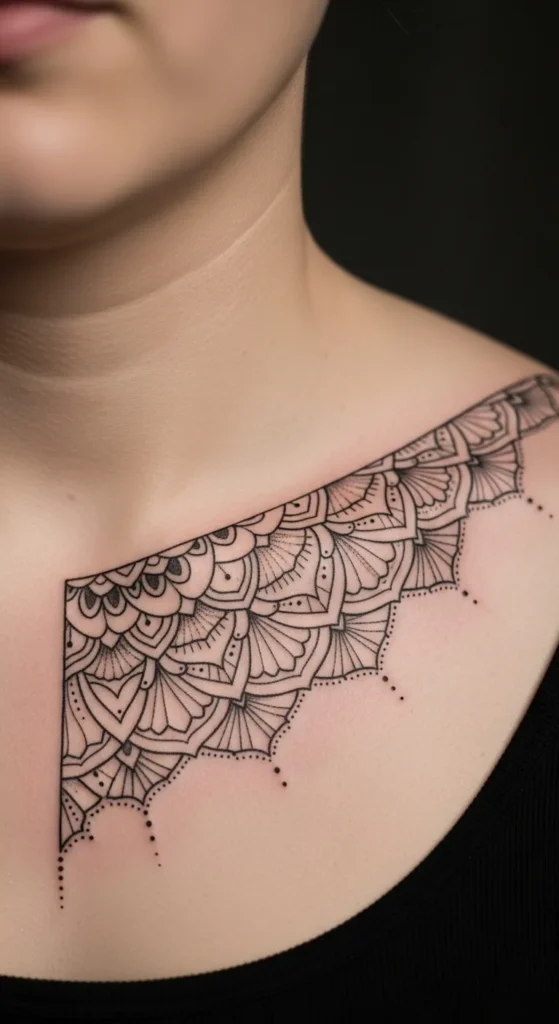
Half mandalas follow the body’s natural curves. Collarbone, foot, or side placements work well.
Because only half the pattern is used, cost is lower than full circles. The design still looks complete when aligned with anatomy.
This is a good option if you want visual interest without full coverage.
7. Geometric Mandala
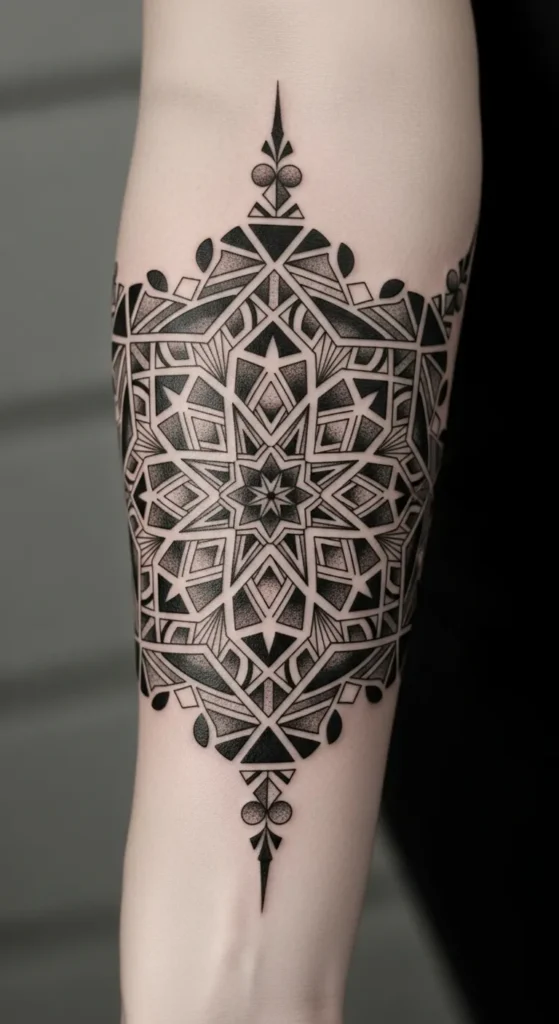
Geometric mandalas use repeating shapes like triangles and hexagons. They look bold even without shading.
Straight lines heal cleanly and stay readable longer. Ask for consistent line weight to avoid patchy aging.
This style fits modern tastes and pairs well with minimal wardrobes.
8. Wrist Wrap Mandala
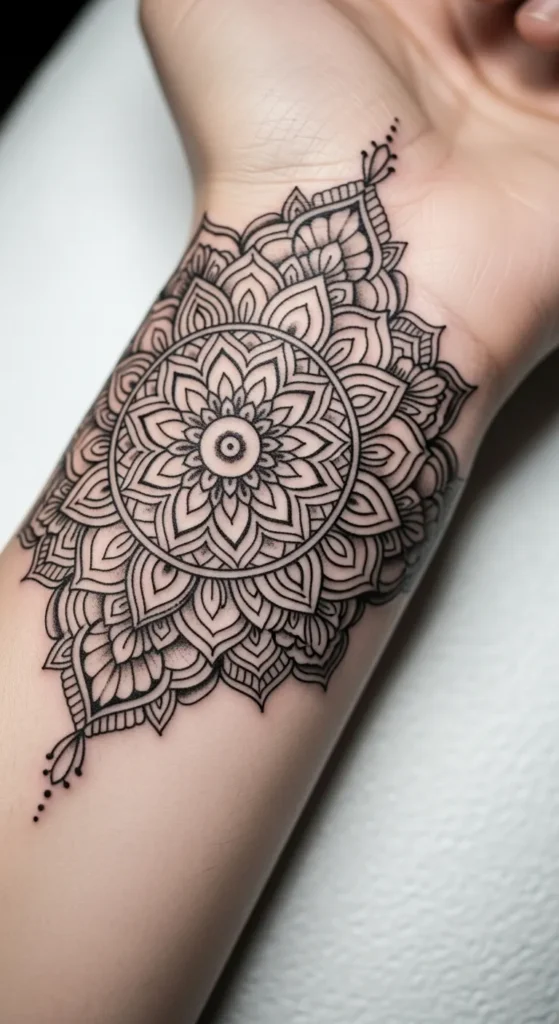
Wrist wraps follow the natural band shape. Keep spacing even to avoid distortion.
Choose thinner lines to allow skin movement. Avoid heavy fills to reduce cracking over time.
This placement works best with calm, simple patterns.
9. Mandala with Negative Space
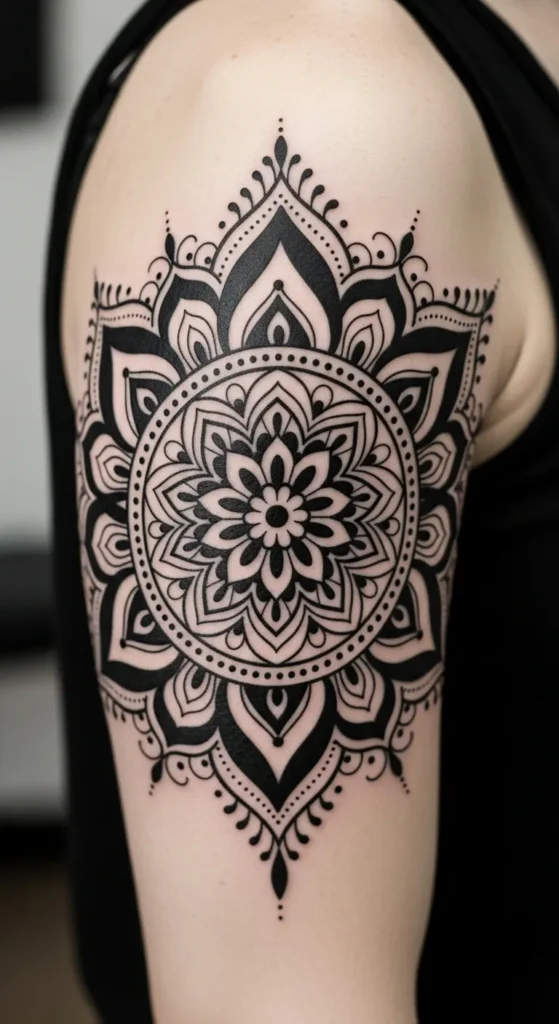
Negative space leaves skin visible between lines. This keeps the design light and readable.
It also shortens tattoo time. Less ink means faster healing.
This style works well for larger areas without feeling heavy.
10. Shoulder Cap Mandala
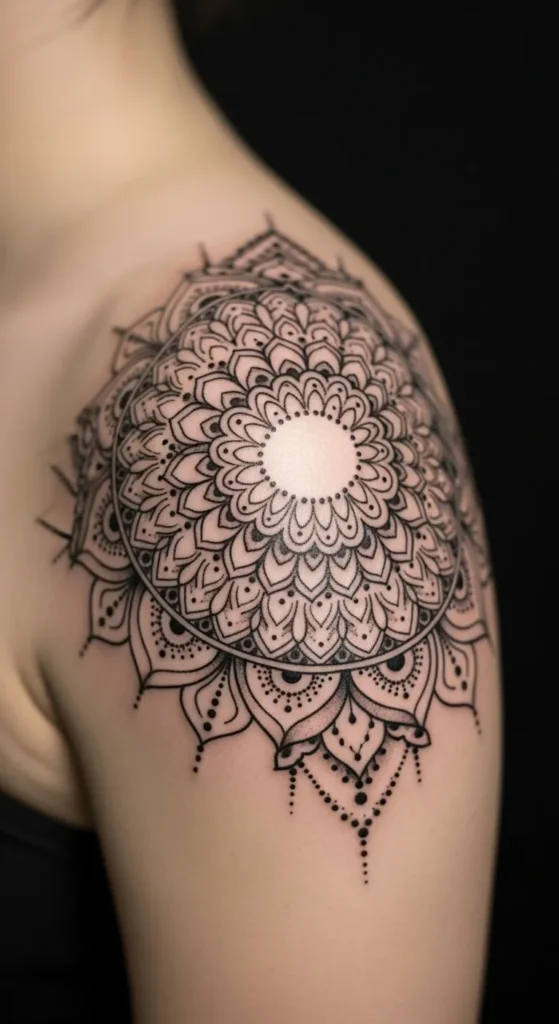
Shoulder caps naturally suit circular designs. The curve supports symmetry.
Start with outer lines first. Fill details later if desired.
This allows budget flexibility while keeping balance.
11. Thigh Mandala
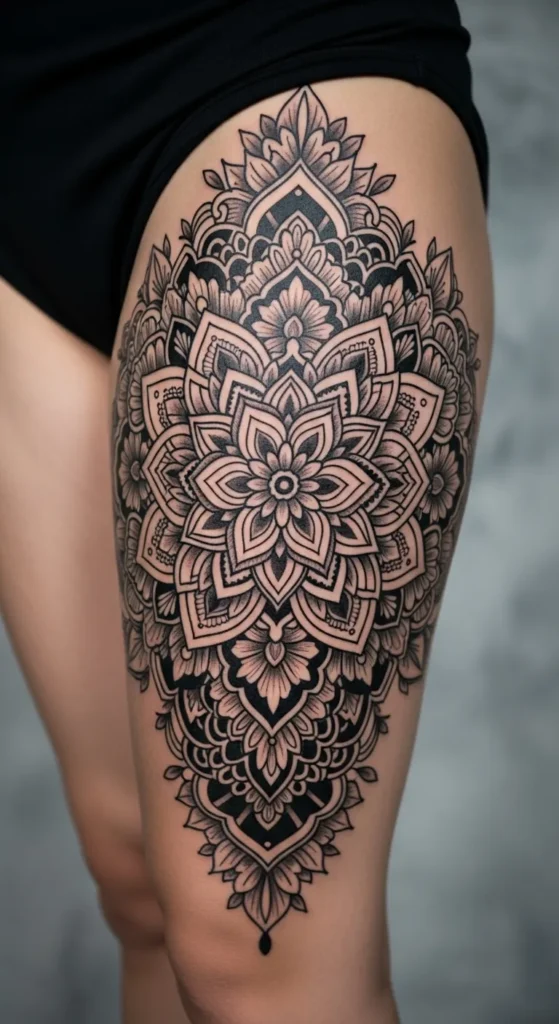
Thighs allow size without constant visibility. This is good for detailed designs.
Larger space means clearer patterns. Ask for clean outlines first.
Healing is easier when clothing is loose.
12. Back of Arm Mandala
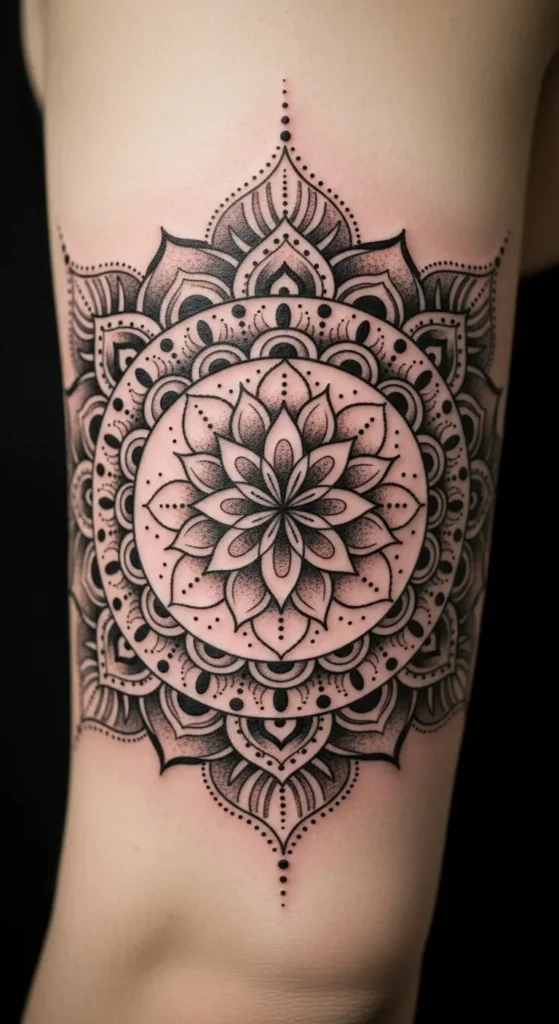
This placement stays protected from sun. That helps ink longevity.
Medium-sized designs work best here. Avoid dense shading to reduce cost.
It’s easy to expand later.
13. Ankle Mandala
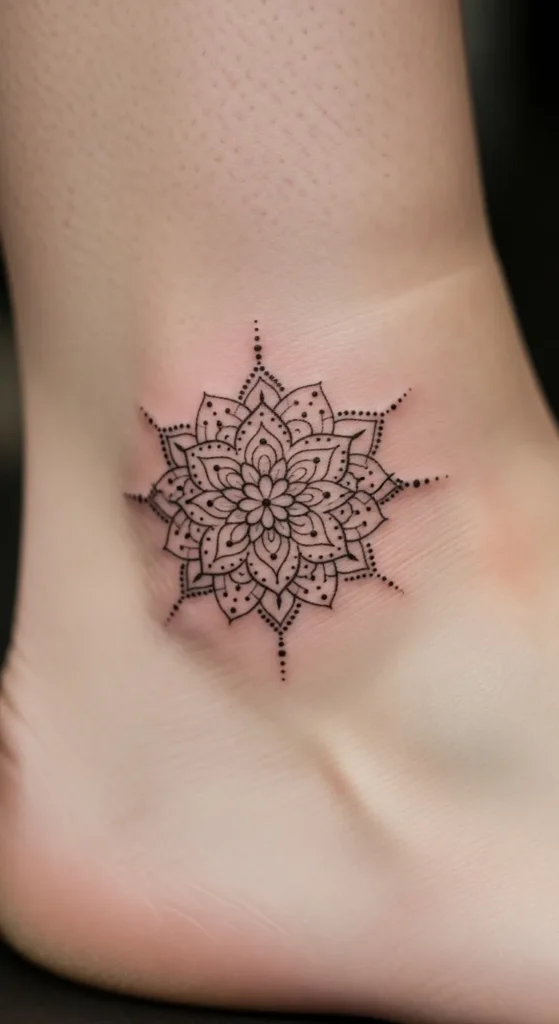
Ankle mandalas should stay simple. Too much detail can blur over time.
Choose bold outer lines. Keep inner details minimal.
This keeps the design readable despite movement.
14. Mandala with Fine Shading
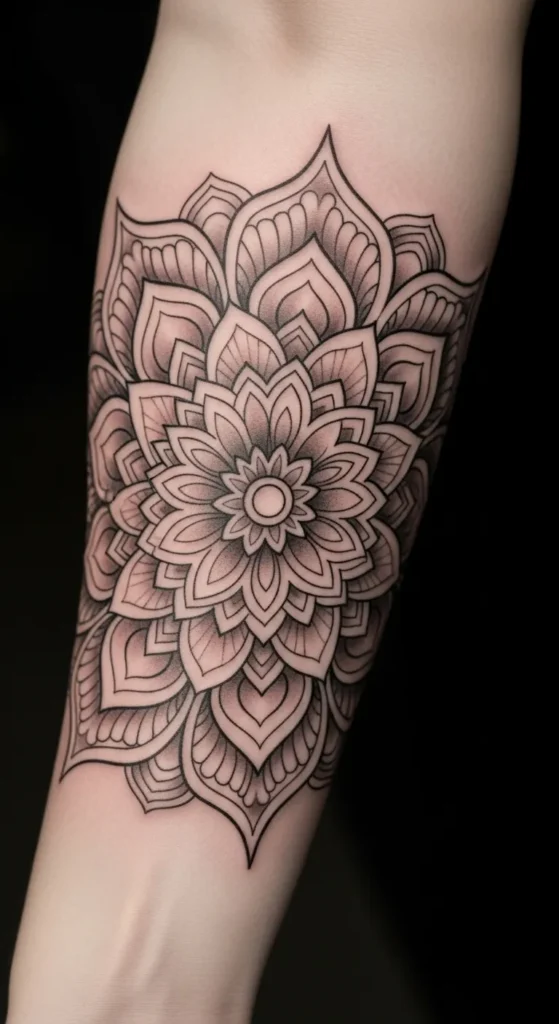
Light shading adds depth without heavy fills.
Ask for soft gradients instead of solid blocks. This saves time.
Black ink shading also ages more evenly.
15. Mandala Spine Center
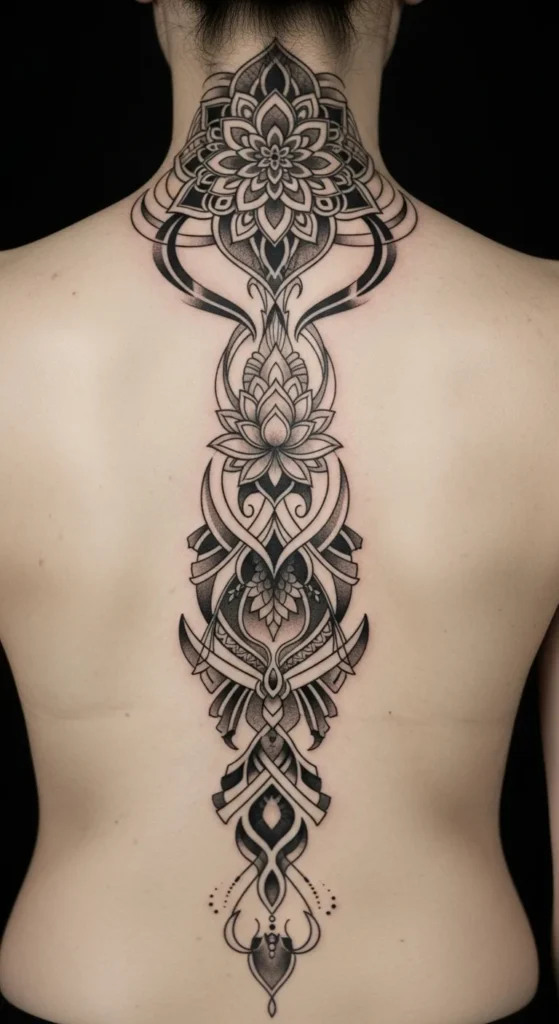
Centered designs follow natural balance.
Keep spacing even to avoid distortion.
Start with a small center piece and expand later.
16. Mandala with Beaded Edges
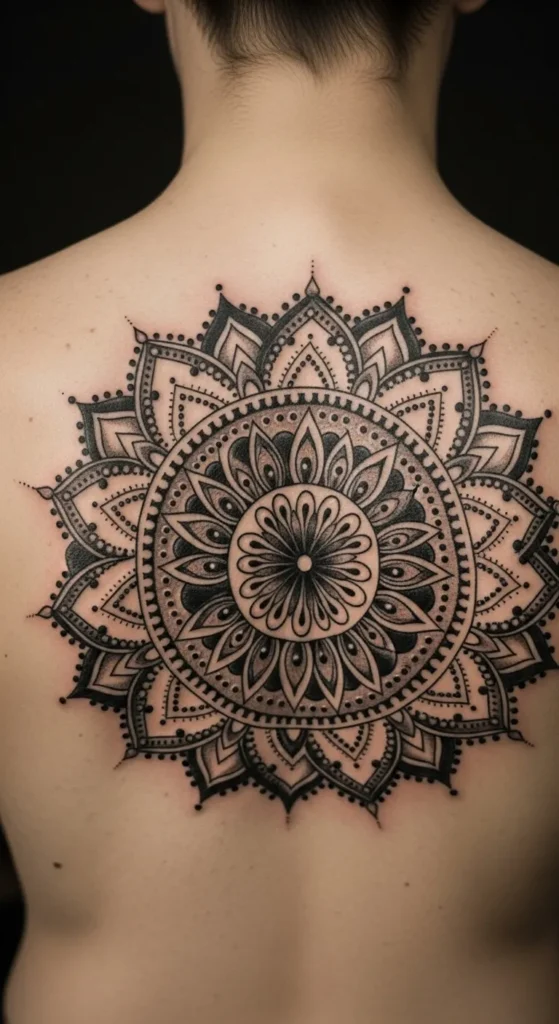
Beaded edges add detail without heavy ink use.
Dots heal cleanly and stay crisp.
This is a cost-friendly way to add texture.
17. Mandala Elbow Frame
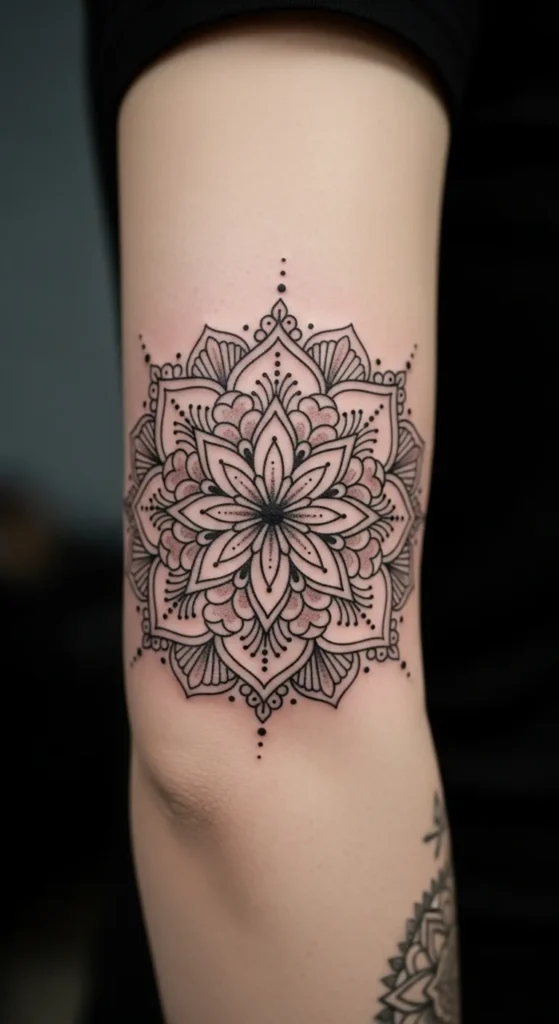
Elbows need flexible designs. Circular patterns move better.
Avoid solid fills here.
Outline-focused designs last longer.
18. Mandala with Arches
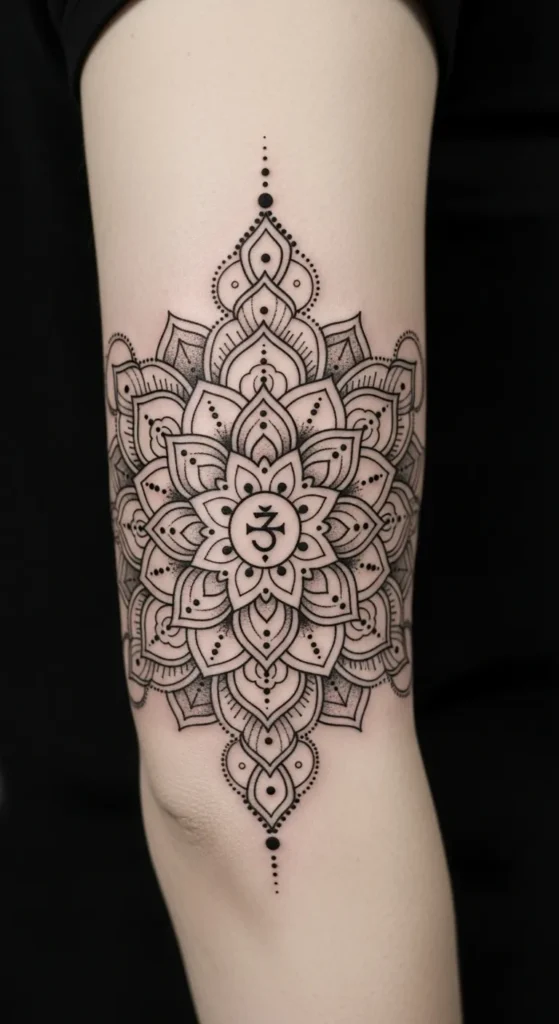
Arches guide the eye smoothly.
They reduce sharp angles, which helps aging.
This works well on arms and ribs.
19. Mandala Chest Center
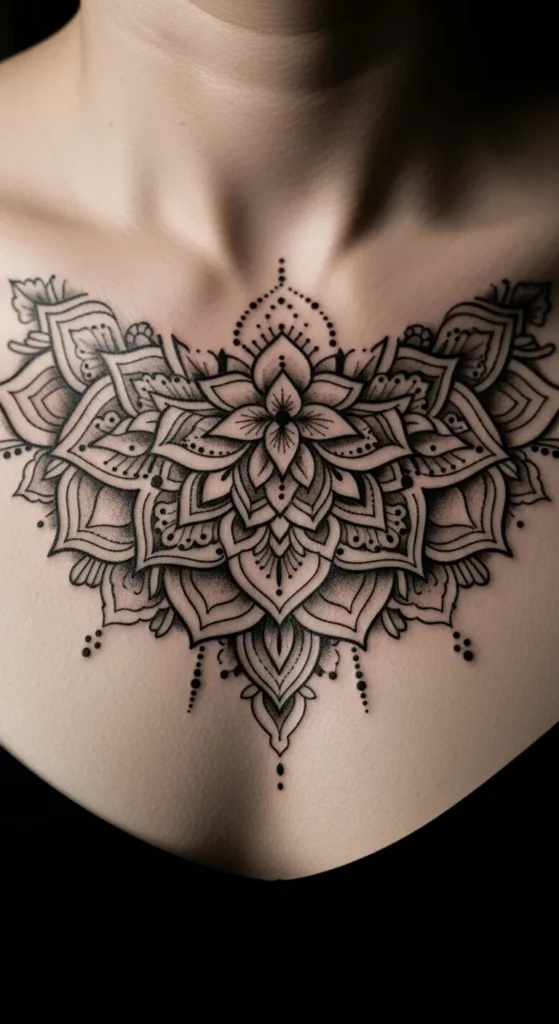
Chest mandalas sit well near the sternum.
Keep size moderate for comfort.
Outline first, detail later if desired.
20. Mandala with Simple Borders
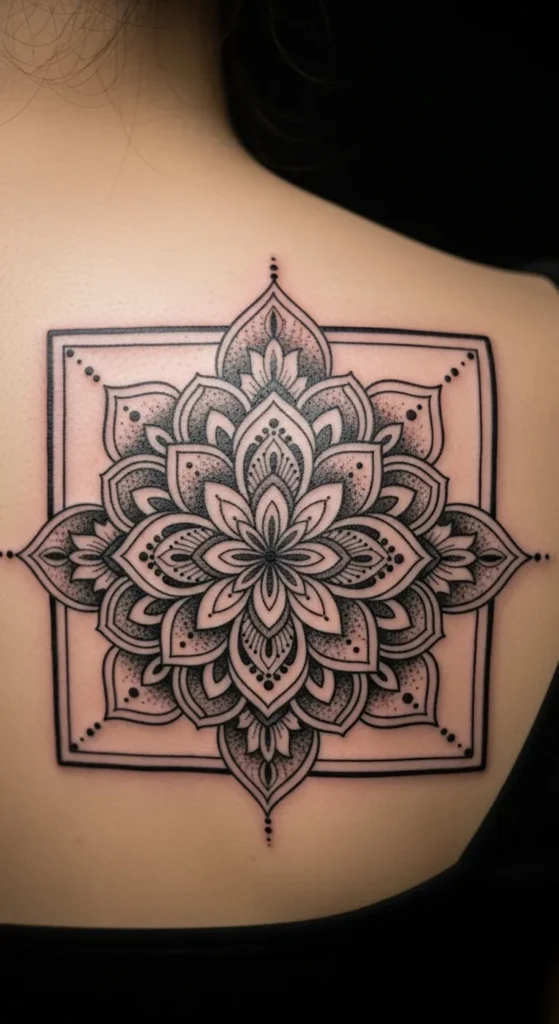
Borders frame the design clearly.
They prevent visual fading at edges.
This also helps artists work faster.
21. Mandala Foot Top
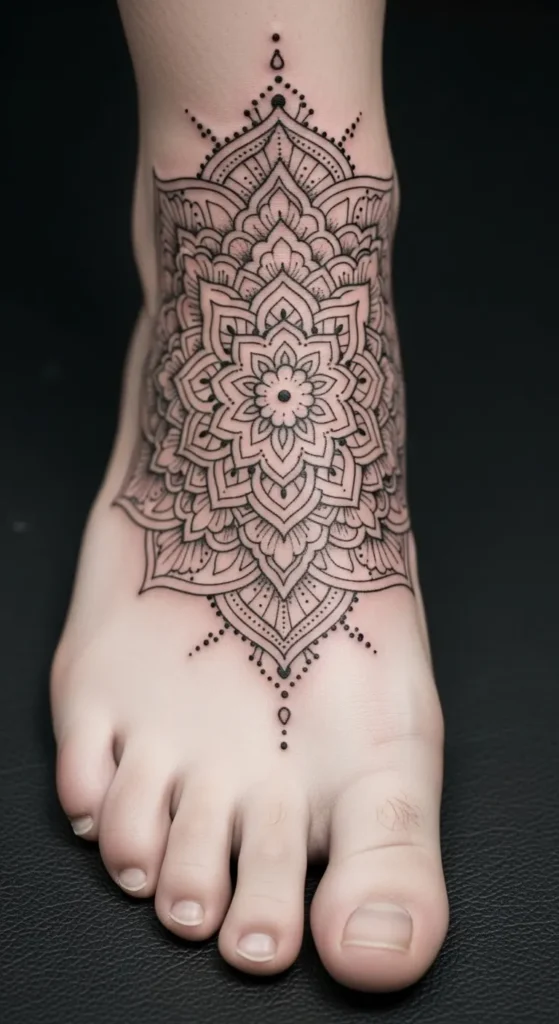
Foot designs need breathing space.
Avoid dense patterns.
Bold lines last longer here.
22. Mandala with Radial Lines
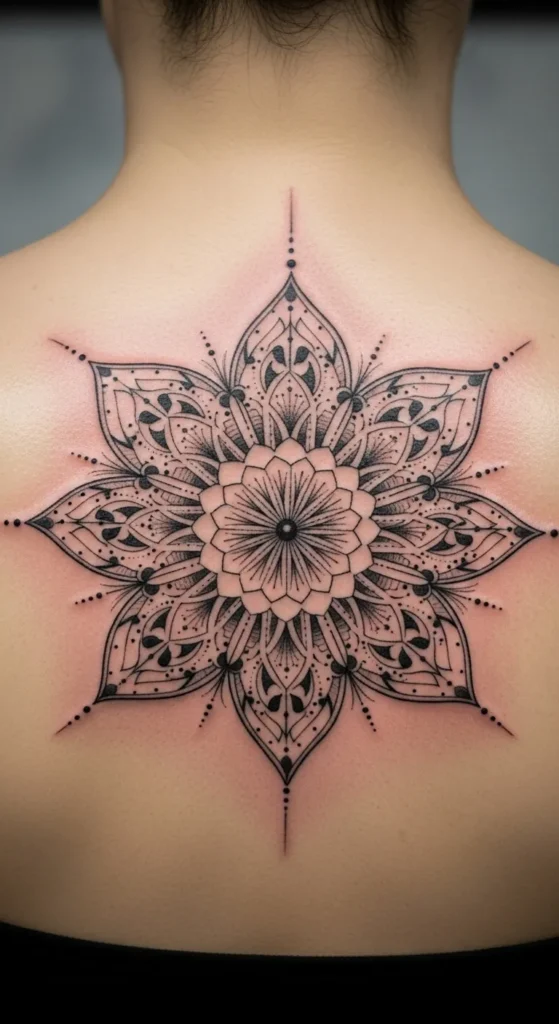
Radial lines guide structure.
They keep patterns balanced.
This style works at many sizes.
23. Mandala Forearm Center
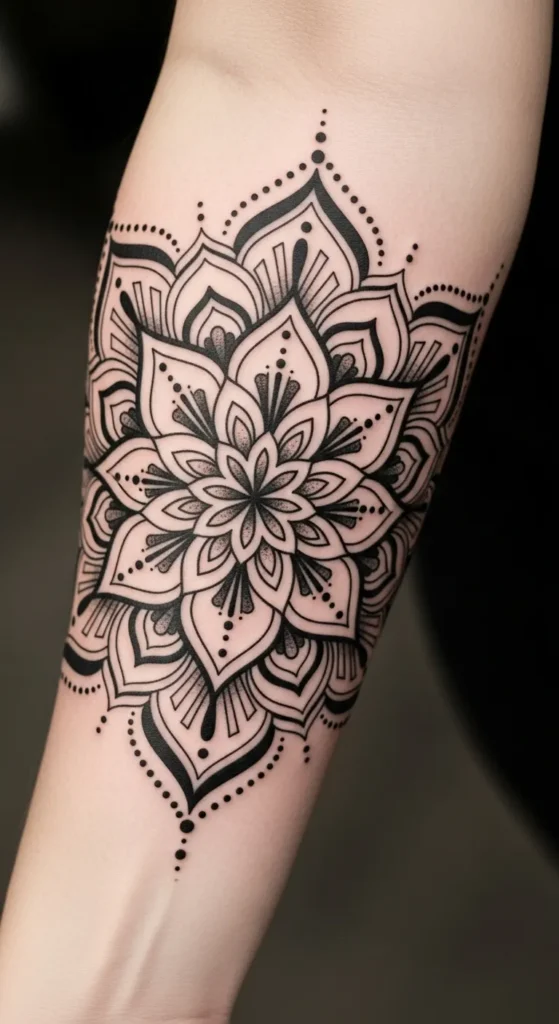
Forearms offer visibility and flat space.
Keep symmetry tight.
Great for daily visibility.
24. Mandala with Layered Rings
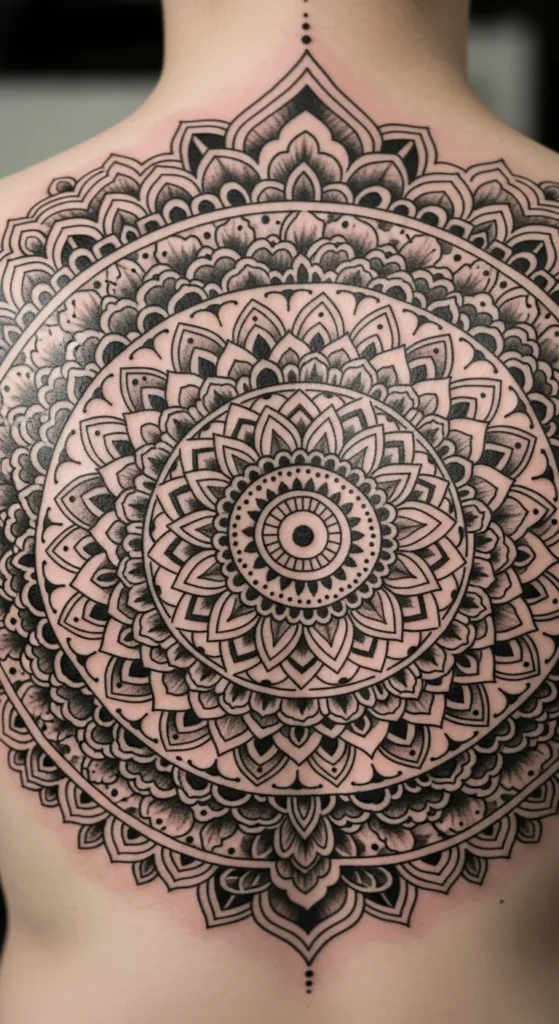
Layered rings allow phased sessions.
Each ring can be added later.
This helps budget planning.
25. Mandala with Soft Curves
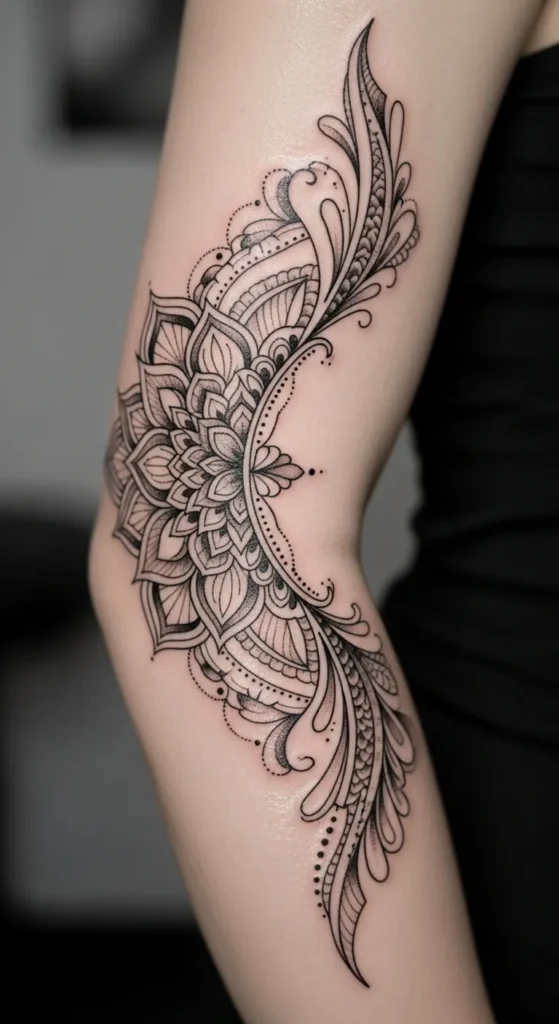
Curves follow muscle lines.
They reduce harsh angles.
This feels calm and wearable.
26. Mandala with Open Center
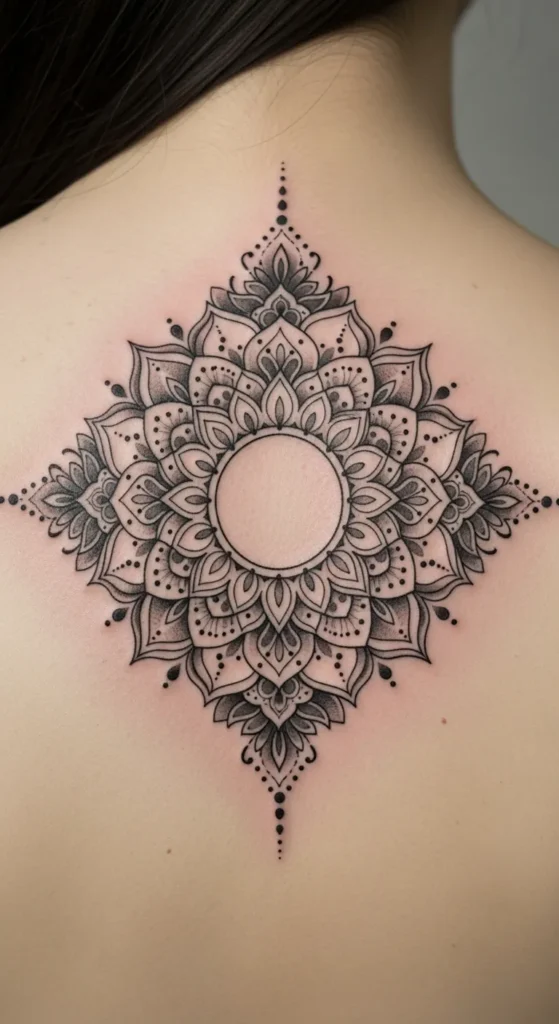
Open centers create breathing room.
They reduce ink load.
This helps long-term clarity.
27. Mandala Micro Tattoo
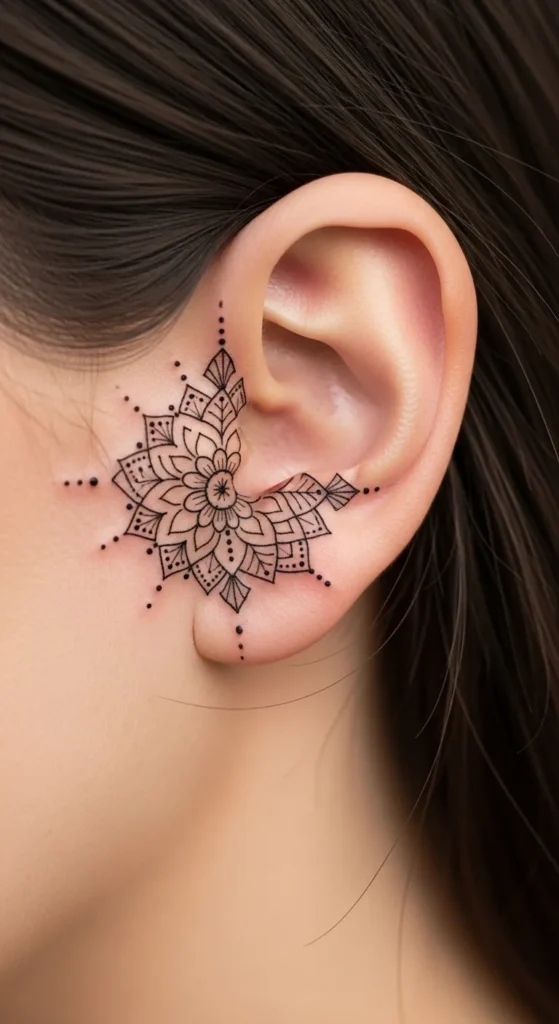
Micro mandalas suit subtle placements.
Keep shapes simple.
This is budget-friendly and quick.
Conclusion
Mandala tattoos offer structure, balance, and personal meaning without requiring complex planning. Whether you prefer small outlines or larger circular designs, there are options that fit real budgets and real lifestyles. Start simple, plan placement carefully, and allow space for growth. Saving reference images and talking through size with your artist helps avoid regret. Choose a design that feels steady now and still feels right years later.
Leave a Reply